The delivery of financial services to impoverished populations worldwide is being revolutionized by the potent instruments of microfinance and fintech. People who have previously been shut out of established financial institutions are beginning to close the gap thanks to these two causes. This article examines their development, effects, and promise to help create a more equitable global economy.
Rise of Fintech in finance
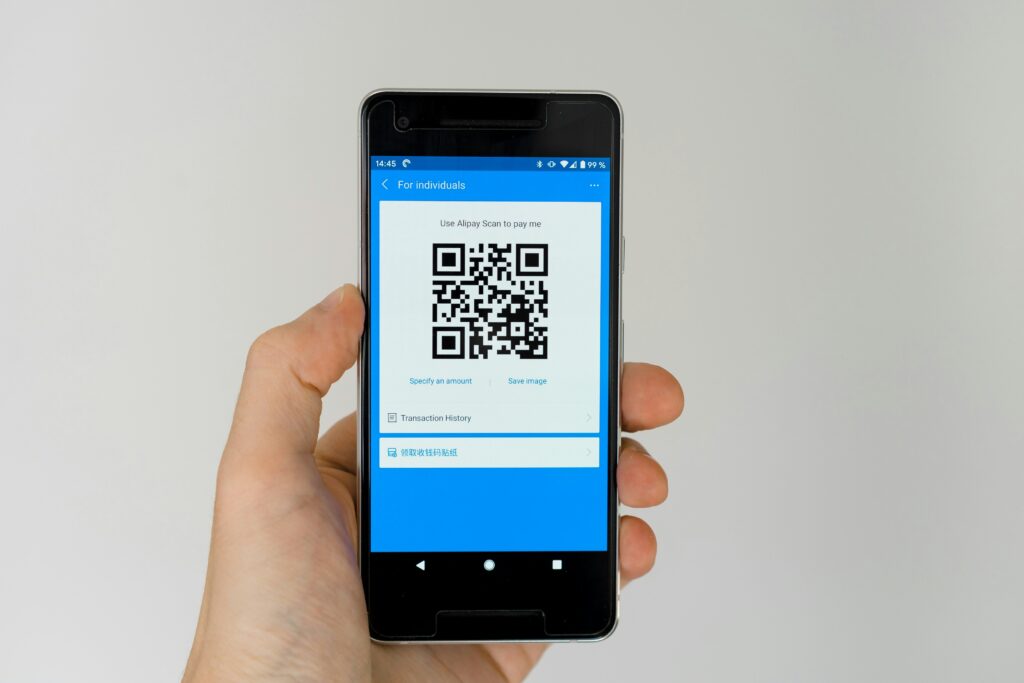
The financial industry has seen a significant transformation with the advent of fintech in the twenty-first century. The goal of the fintech sector was initially to streamline the financial operations of big businesses, but it has now expanded to democratize financial services. Financial services are now quicker, less expensive, and more effective thanks to technological advancements like robo-advisors, lending between individual platforms, internet payments, and smartphone applications. By enabling access to services without depending on conventional brick-and-mortar lenders, FinTech also helps lower entry barriers for people and small enterprises. The prospect for fintech to upend existing banking institutions has been demonstrated by the success of businesses like PayPal, Square, and Robinhood.
Bridging financial gaps
Disparities have always characterized the global financial scene, with millions of individuals in underdeveloped nations lacking access to even the most fundamental banking amenities. By providing financial instruments to the underprivileged, microfinance has been essential in bridging this gap. Fintech, on the other hand, has improved this capacity by offering digital platforms that reach outlying areas without traditional lenders. Fintech makes it possible for people to send money and even request loans without having to go to a bank office by using online payment methods and mobile banking. Fintech’s technology reach combined with microfinance’s grassroots strategy has produced a powerful instrument for closing global financial disparities.
Role in poverty alleviation
The main goal of microfinance is to reduce poverty. Microfinance allows people who would not normally be eligible for standard bank loans to establish or grow small enterprises by giving them modest loans. This raises the possibility of earning money, which raises the standard of living for the individual. Microfinance has emerged as a crucial instrument for promoting economic growth in areas where employment opportunities are few. Fintech contributes to this goal by providing platforms that increase accessibility to financial services while lowering costs and boosting productivity. Institutions may offer speedier loans, enhance savings management, and reach more people in need by incorporating fintech into microfinance.
Digital microfinance evolution
Over the past ten years, the proliferation of mobile phones and internet access has led to considerable evolution in digital microfinance. Mobile phones are becoming the main means of obtaining financial products in many emerging economies. Microfinance institutions can provide their services effectively and safely thanks to digital portals including digital wallets, online lending channels, and mobile money apps. Millions of uninsured people in nations like Kenya have been able to access financial services because of mobile money services like M-Pesa. In addition to making it simpler for people to get financial goods, this digital revolution has decreased prices and improved financial inclusion for marginalized groups.
Challenges faced
Fintech and microfinance have a lot of obstacles despite their benefits. The danger of excessive debt, which occurs when people take on more debt than they can pay back, is one major obstacle. This is especially common in areas where microloan activity is prominent. Furthermore, the quick expansion of fintech services can occasionally surpass the creation of laws and regulations, making these platforms susceptible to cybersecurity threats. Furthermore, although fintech can make financial services more accessible, people without dependable internet or mobile connections may unintentionally be left out due to its reliance on technology. Addressing these issues is essential as these industries expand to guarantee their viability and prosperity.
Women’s empowerment
Women’s empowerment has been especially impacted by microfinance. Given that women are typically the primary carers and home administrators, several microfinance firms explicitly target them. Giving women access to credit and financial services enables them to launch enterprises, generate revenue, and provide for their families. By providing women with digital tools that make money management easier and safer, fintech further amplifies this empowerment. Women frequently encounter societal and cultural obstacles that restrict their access to conventional financial services, particularly in developing nations. These obstacles are being progressively lifted by fintech, allowing women to become financially independent and support economic growth.
In conclusion, fintech and microfinance work together to create a potent combination that helps underprivileged groups and advances the world economy. Both industries’ potential to empower people and communities will grow as they develop, guaranteeing that financial inclusion will be a reality for millions of people globally.
You may also find these articles helpful
Top fintech companies and startups