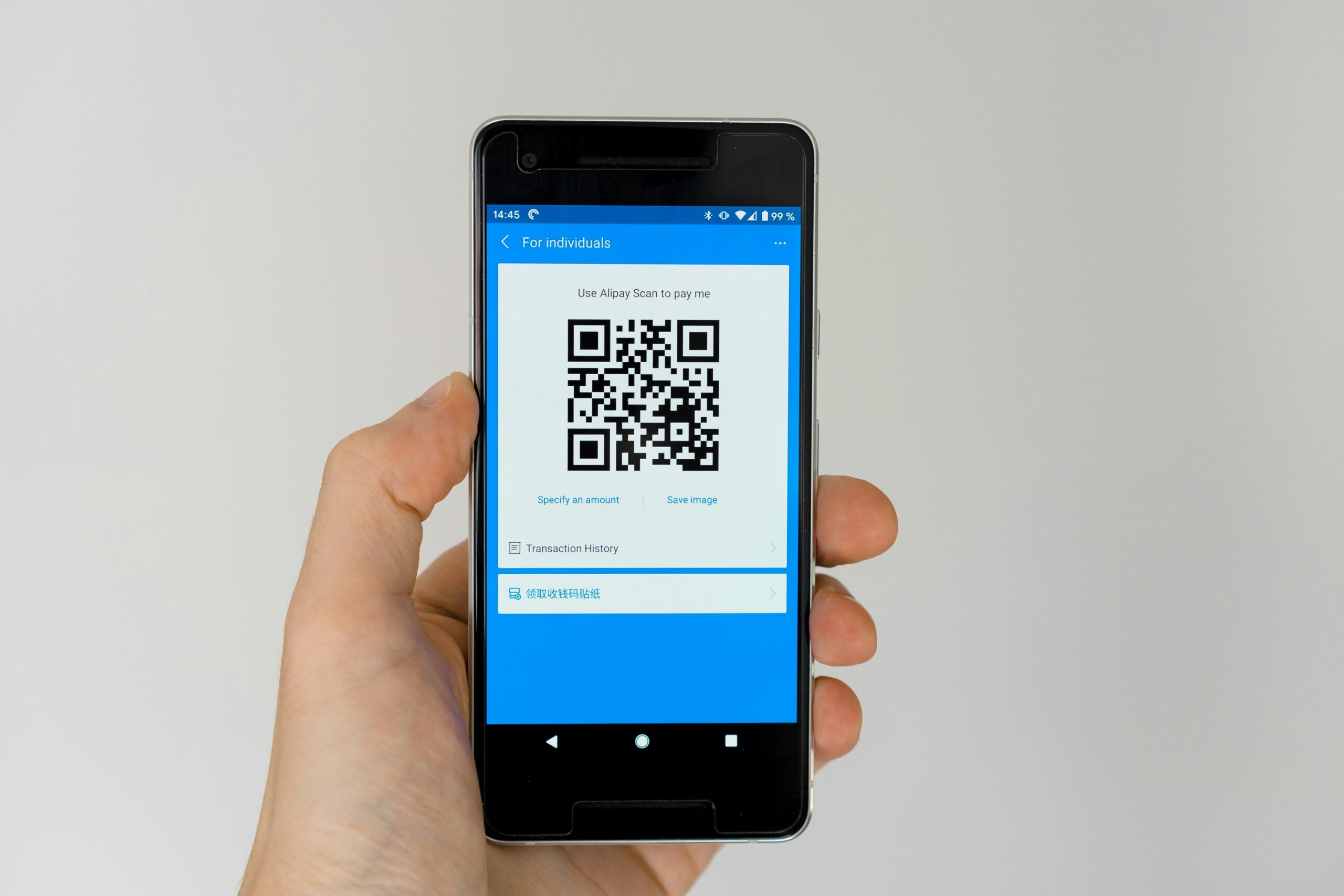
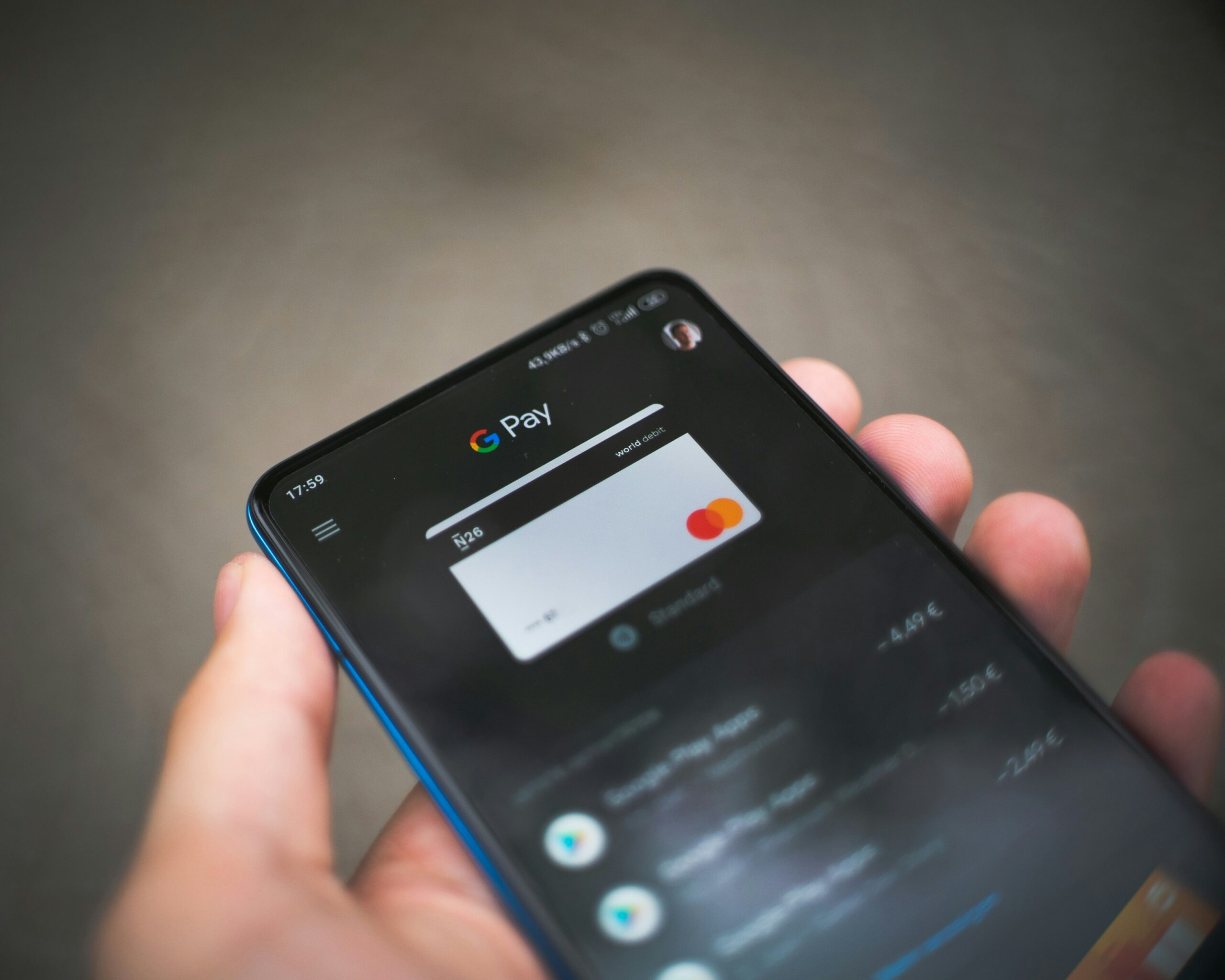
The emergence of mobile-only banks is one of the most significant developments in the financial industry in the rapidly changing world of digital. These banks are revolutionizing how customers handle their finances since they only have websites or mobile applications and no physical locations. Mobile-only banks have become a disruptive factor in the financial sector as conventional banking practices steadily move towards digitalization. The connection between consumers and their banks is being redefined by mobile-only banks, which provide novel features, adaptability, and convenience.

Key features of mobile-only banks
The following are the main characteristics of mobile-only banks:
Complete digital experience
Customers of mobile-only banks may manage all of their banking requirements via an app or website, offering completely the internet. Everything may be done online, including checking accounts, applying for loans, creating an account, and exchanging funds. The lack of physical locations also eliminates the need for laborious bureaucracy, lengthy lineups, and paper paperwork. Managing your funds only requires a few clicks or touches.
Lower fees and better rates
Offering reasonable rates and lower fees than conventional banks is one of the main benefits of mobile-only banks. Mobile-only banks can pass on the cost reductions to their clients since they are not required to operate expensive physical locations. This results in lower ATM withdrawal costs, no periodic upkeep fees, and frequently greater financing rates on loans and savings accounts. Mobile-only banks are a desirable choice for people who wish to get the most out of their money because of these financial advantages.
Seamless integration with other digital tools
The whole banking experience is improved by mobile-only banks’ seamless integration with other technological tools and services. Users of many mobile-only banks may connect their accounts to cryptocurrency, investing platforms, and budgeting applications. Customers may now easily manage their complete financial portfolio in one location, including their bank accounts. Furthermore, a lot of these institutions include features that make saving, investing, and future planning simpler, such as round-up transactions, automated savings tools, and individualized financial guidance.
Real-time notifications and instant transfers
Users of mobile-only banks may keep an eye on their databases in real-time. Users receive push notifications when there are deposits, withdrawals, or questionable transactions related to their accounts. A better degree of protection is offered by this immediate feedback as clients can promptly identify and address any unauthorized activity.
Furthermore, banks that solely accept mobile devices provide instantaneous or very instantaneous money transactions. Mobile-only banks frequently provide instantaneous transactions between accounts or to other users, in contrast to traditional banks which could take several business days to conduct a wire transfer or cheque deposit. This efficiency and quickness may be revolutionary, especially for those who need to handle several accounts at once or make an urgent money transfer.
Customer-centric support
Despite being without physical locations, mobile-only banks remain dedicated to providing exceptional customer care. These banks usually provide chatbots, phone lines, or video calls for round-the-clock client service. Additionally, some employ artificial intelligence (AI) to provide prompt support for common questions or issues. Human representatives are on hand to offer individualized assistance for more complicated problems.
The appeal for a new generation
Younger generations that are digital natives, including Gen Z and millennials, find mobile-only banking more enticing. These demographics want their financial institutions to be as accessible and convenient as they are used to using applications to do the majority of their everyday tasks. The rapid expectations of younger customers, who place a high value on speed, transparency, and personalization in their banking services, are sometimes too much for traditional banks to provide.
The challenges and future of mobile-only banks
Mobile-only banks have drawbacks despite their numerous benefits. Accessibility is one of the biggest obstacles as some clients might not feel at ease using entirely digital banking or might not have the required technology. Furthermore, not all of the services offered by traditional banks, including personal meetings or safe deposit boxes, may yet be available through mobile-only banks.
However, mobile-only banks are expected to continue to gain favor as digital literacy rises and technology advances. Mobile-only banks are positioned to have a significant impact on the trajectory of banking, which is moving towards digitalization.
Conclusion
A new era of banking is being ushered in by mobile-only institutions, where inventiveness, speed, and convenience are key factors. These banks are changing how we deal with our money by doing away with actual branches and adopting state-of-the-art technologies. Mobile-only banks are ideal for contemporary customers who want to effectively manage their accounts since they provide reduced costs, better rates, and a completely digital experience. As the globe grows increasingly digitally linked, it is evident that mobile-only banks are the way of the future and not only a fad.
You may also find these articles helpful