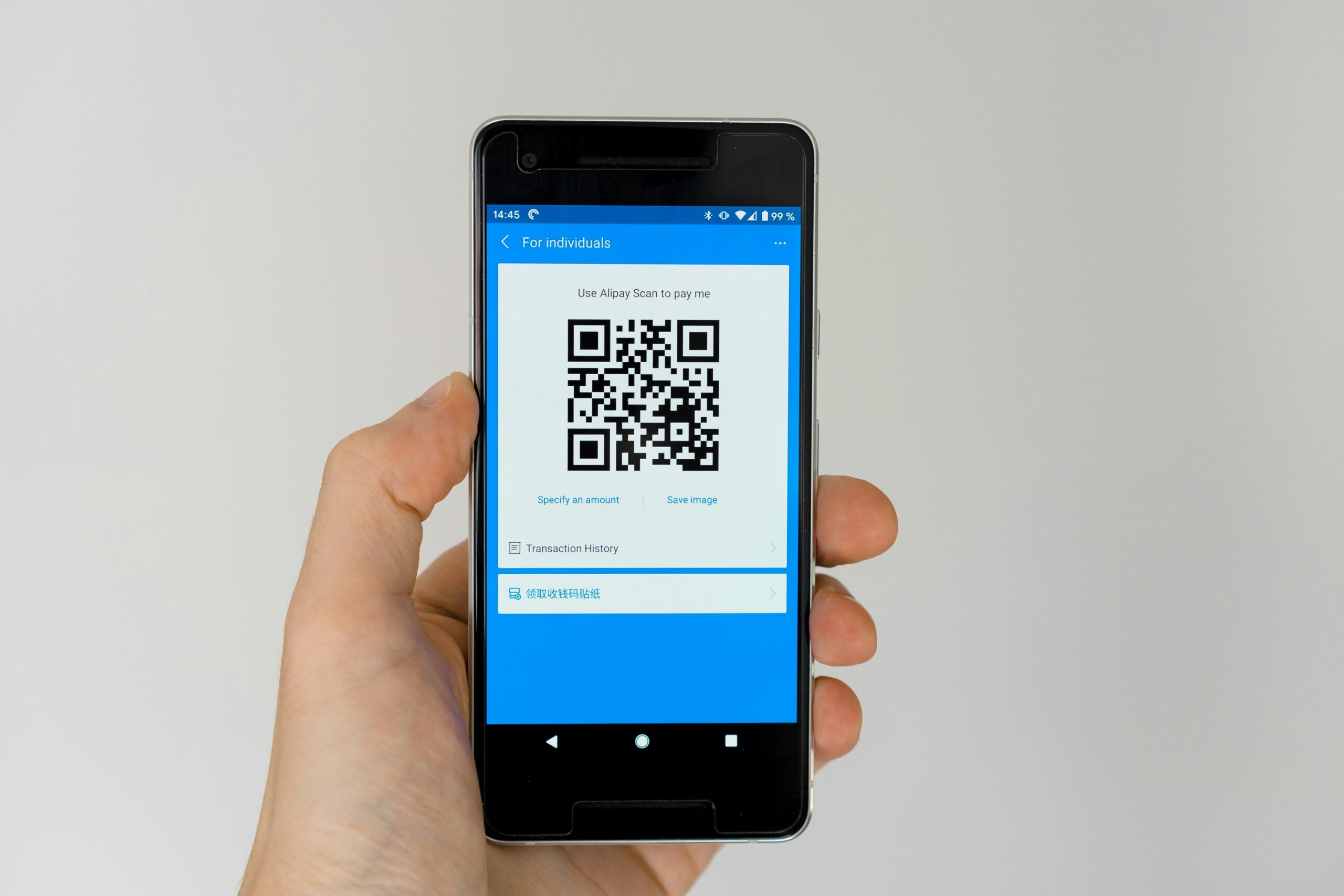
Mobile banking has become a vital component of contemporary financial services in a time when convenience is paramount. On a smartphone, customers may check account balances, pay bills, and transfer money with a few taps—often in real time. Although there is no denying the promise of ease, it is also important to be aware of the potential dangers posed by cyber-attacks. Understanding and maintaining strong security is crucial as mobile banking becomes more and more integrated into our everyday lives. To protect your digital assets, this essay explores the best practices, obstacles, and security aspects of mobile banking.
Common security threats in mobile security
The following are typical security risks in mobile banking:
- Phishing attacks
One of the most prevalent risks in the mobile banking environment is still phishing. By sending phony emails or SMS messages that seem like they are from reputable banks, cybercriminals deceive customers into disclosing sensitive data like card numbers and login passwords.
- Man-in-the-Middle (MITM) attacks
These attacks happen when a hacker eavesdrops on user-bank server communications. Attackers can intercept private information while it is being sent by taking advantage of unprotected Wi-Fi networks or inadequate encryption.
- SIM swapping
SIM switching is when scammers deceive telecom companies into giving a victim’s phone number a new SIM card. Hackers may access the victim’s bank accounts and get around two-factor authentication (2FA) after hackers have possession of the number.
Enhancing security in mobile banking
Because they understand the threats, banks have put in place certain security measures to keep their customers safe. Here are a few crucial actions:
- Biometric authentication
Many banking applications now come with fingerprint and face recognition technologies as basic security measures. Because they are more difficult to figure out, these techniques provide a better level of security than conventional passwords.
- Behavioral analysis
AI is increasingly used by sophisticated mobile banking applications to examine user behavior. Alerts or extra verification procedures are triggered by any odd activity, such as signing in from a different device or conducting significant transactions from a strange place.
- Secure app development
When developing apps, banks adhere to stringent security procedures, which include frequent penetration tests and security audits. By doing this, vulnerabilities are found and fixed before hackers can make use of them.
User responsibility: Playing your part in security
Banks are always enhancing security, but to reduce dangers, customers must also take appropriate actions. The following are some recommended practices:
- Use strong passwords
Make sure your banking app passwords are strong and distinct at all times. Don’t use information that may be guessed, such as birthdays or popular terms, and change your passwords frequently.
- Avoid public Wi-Fi
Since public Wi-Fi networks are frequently unprotected, hackers attack them frequently. Make sure you only use a virtual private network (VPN) to access your bank if you must use public Wi-Fi.
- Regularly update your apps and OS
Critical security fixes are frequently included in software upgrades. You may guard against known vulnerabilities by maintaining the most recent versions of your operating system and mobile banking software.
- Beware of phishing attempts
Unwanted emails that ask for personal information should be avoided. Reputable banks would never send you an SMS or email requesting your login information. The source should always be checked before clicking on any links.
The future of mobile banking security
Innovation and cooperation are key to the security of mobile banking in the future. Cyber risks are evolving along with technology. To further improve security, lenders are investing in modern technologies like the distributed ledger and quantum cryptography. To safeguard consumers, regulatory agencies worldwide are implementing more stringent cybersecurity laws.
Furthermore, user education is still crucial. Knowledgeable users are the first line of defense against cybercrime, and no security mechanism is infallible. Banks need to keep informing their clients about new risks and secure banking procedures.
Conclusion
With its unmatched accessibility and ease, wireless banking has completely changed how we handle our money. But it also poses special security issues that need to be resolved by combining user awareness with technology improvements. Banks and consumers should cooperate to guarantee that mobile banking continues to be a dependable financial instrument in the digital era by implementing best practices and using strong security measures. Being alert, creative, and sharing responsibilities are the keys to safe mobile banking.
You may also find these articles helpful