Particularly for the unbanked, the emergence of banking technology, or fintech, is changing the way banking services are handed. These people, who were constantly barred from conventional banking institutions, now have the means to manage their finances, increase their wealth, and guard their fiscal stability. We go into further detail on fintech’s disruptive possibilities and how it can help the unbanked overcome their problems below.
Understanding the unbanked population
People without access to typical banking services, such as credit cards, loans, investments, and checking accounts, are known as the unbanked. Around the world, this demographic frequently consists of marginalized groups, low-income people, and rural areas. Many are left out because of their remote location, inability to provide the necessary paperwork or mistrust of financial companies. Their inability to access official financial institutions makes it difficult for them to invest for the future, borrow money at reasonable rates, and save safely.
Barriers to traditional banking
Significant obstacles to admission for the unbanked include high account maintenance fees, a lack of local banking facilities, and strict verification criteria. Furthermore, the strict procedures of conventional banks frequently ignore the particular requirements of these groups. There is a divide in financial stability as a result of many people’s perceptions of banks as unreliable or inaccessible.
Fintech as a solution for inclusion
Creative ideas brought about by fintech have increased the accessibility and inclusivity of banking services. Through the use of technological advances, these platforms expedite procedures and do away with the necessity for physical bank offices, allowing customers to create finances, send money, and obtain credit. Fintech is revolutionizing the delivery of financial services, especially to marginalized communities.
Mobile banking revolution
Accessibility to banking services has been completely transformed with the introduction of mobile banking. These days, basic cell phones are effective in managing money devices. Millions of people in areas like Sub-Saharan Africa have been able to send and receive cash, make payments, save money, and borrow money without ever having to visit a bank. Global replication of this strategy attests to the effect and scalability of wireless banking.
Digital wallets and payment platforms
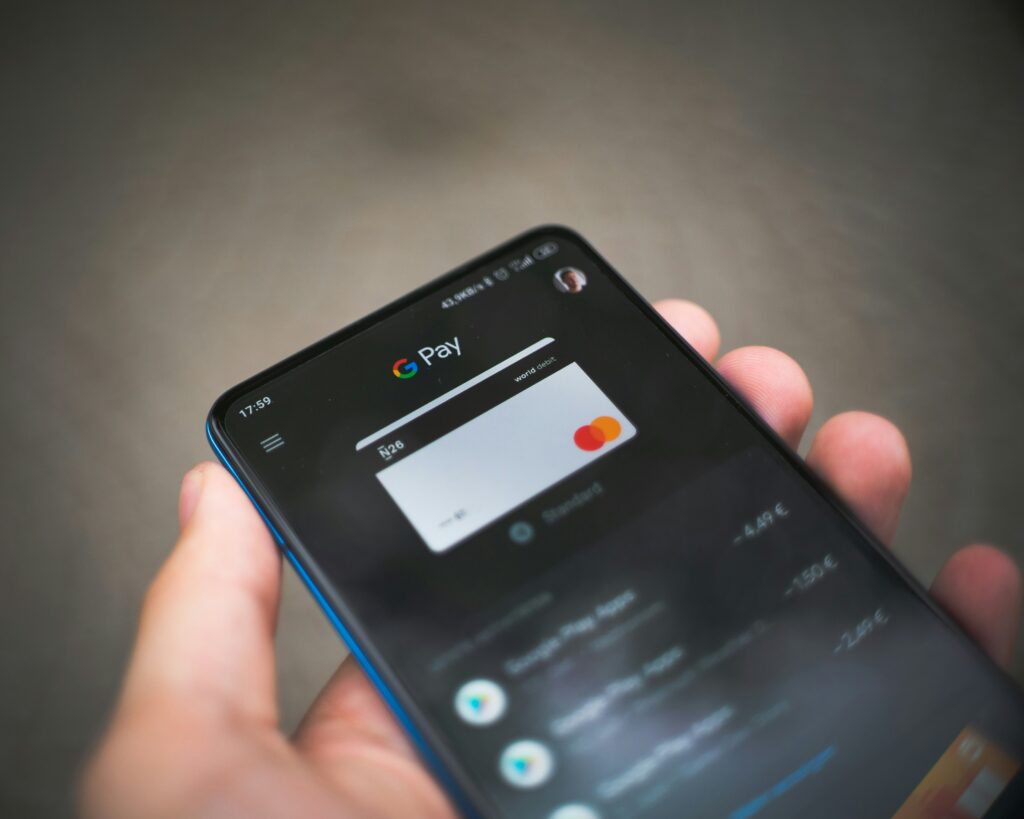
An easily accessible substitute for conventional bank accounts is the digital wallet. These systems let users conduct electronic transactions and safely store money, frequently at no cost. Easy-to-use interfaces provided by firms like Venmo in the US and Paytm in India make handling daily money easier. The unbanked may now access more comprehensive financial services including investments and security through digital wallets.
Microloans and peer-to-peer lending
Peer-to-peer (P2P) backing and microloans handed via fintech platforms have proved transformative for people without access to conventional credit. These networks give modest, short-term loans with malleable payback terms and assess applicants using indispensable credit standing ways. P2P backing puts borrowers and lenders in direct contact, which constantly leads to cheaper rates and quicker approvals, empowering both individuals and small enterprises.
Alternative credit scoring models
The unbanked frequently lack official credit records, which are a major component of traditional credit rating systems. To assess creditworthiness, FinTech has created different credit scoring systems that leverage information from social media activity, utility payments, and cellphone usage. These approaches make it possible for those who were previously thought to be disqualified via conventional means to get loans and establish financial stability.
Remittances and cross-border payments
For many unbanked households, particularly in developing nations, transfers are an essential source of income. However, typical money transfer firms can take days to execute transactions and demand exorbitant fees. Cross-border transfers are becoming easier, quicker, and more accessible thanks to fintech firms like Ripple and Wise (previously TransferWise). By ensuring that families get a larger portion of the money provided to them, these technologies improve financial stability.
To sum up
To sum up, fintech is transforming liquidity for those without bank accounts by providing easily accessible, reasonably priced, and revolutionary solutions. Fintech is promoting economic empowerment, lowering inequality, and opening the door to more equitable future earnings by tackling the particular difficulties these groups experience.
You may also find these articles helpful
Top fintech companies and startups