Globally, mobile currency has completely changed the financial scene, especially in places where standard banking is unavailable. Millions of people have entered the financial system thanks to the capacity to send, receive, and keep money via mobile phones, which has empowered people and promoted economic progress. Each heading is explained in further detail below to provide a thorough grasp of mobile money’s function in finance.
The concept of mobile money
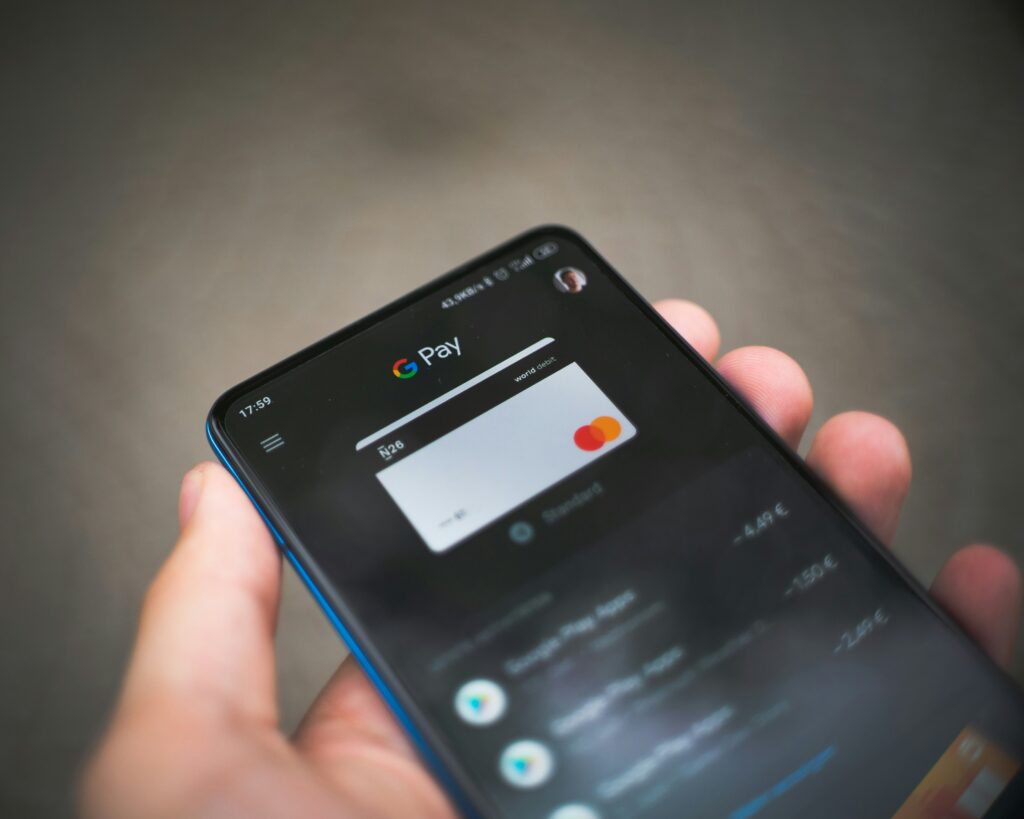
Financial services that allow people to conduct transactions via mobile devices are referred to as mobile money. A bank account is not necessary for mobile money, in contrast to traditional banking. Mobile networks allow users to handle all aspects of their finances, including payments and fund transfers. In places where physical banking infrastructure is scarce, this method has shown especially good results.
The birth of mobile money services
To meet the financial requirements of marginalized communities, the first mobile money services appeared in the early 2000s. Among the first and most effective instances is M-Pesa, which was introduced in Kenya in 2007. It provided a simple and safe substitute for cash transactions by enabling users to send and receive money via SMS.
How mobile money works
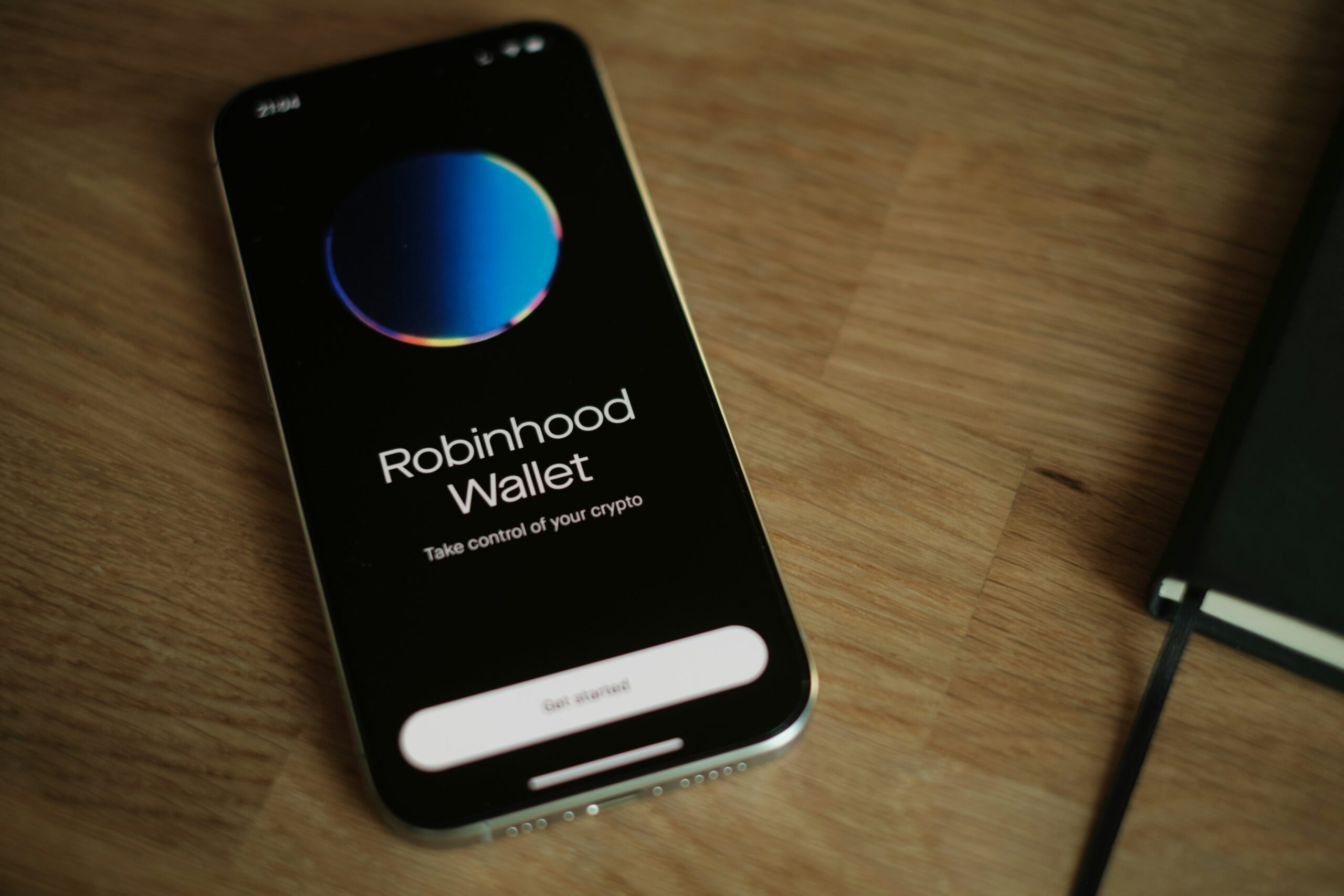
Mobile network operators (MNOs) or fintech businesses are the conduits via which mobile money functions. By enrolling their cellphone number, users may create a mobile wallet. Remittances, bank transfers, or agents can all be used to put money into the wallet. Even users with simple mobile phones may access it since transactions are carried out via text messages or mobile applications.
Mobile money and financial inclusion
Financial inclusion has greatly expanded because of mobile money, especially in developing nations. It makes it possible for residents of isolated and rural locations to obtain financial services without going to a physical bank. Millions of people who had been closed out of the official financial system now can save, take out, and pay.
Mobile money and economic growth
Local economies have benefited from the growing popularity of mobile money as it has made small-scale interactions and business easier. Now that they can take payments, get credit, and save money, entrepreneurs can grow their businesses and create jobs. According to studies, nations with strong mobile money usage frequently see faster rates of GDP development.
Mobile money in developing economies
Mobile money has been used by developing nations as a key instrument for financial stability. Millions of people now rely on systems like GCash in the Philippines, bKash in Bangladesh, and M-Pesa in Kenya. These amenities have enhanced financial stability, decreased dependency on cash, and encouraged economic involvement among marginalized groups.
The role of mobile money agents
To bridge the divide between the cash and electronic economies, mobile money agents are essential. These representatives, who are frequently local store owners, let customers add and remove funds from their cellular wallets. They guarantee that mobile money offerings are available even in places with low levels of digital literacy by offering a crucial human interface.
Mobile money and remittances
Because mobile money offers a quicker and less expensive option than traditional ways, it has completely changed the remittance sector. Workers overseas may avoid expensive middlemen by sending money home straight to a recipient’s mobile wallet. Families that depend on remittances as their main source of income have benefited from the lower cost of cross-border transactions.
Mobile money and digital payments
In many places, mobile money is becoming the mainstay of electronic payments. Customers may use their mobile wallets to pay for goods and services, energy bills, school fees, and more. As a result, there is now less need for currency, transactions are more efficient, and cashless economies are expanding.
Mobile money for savings and loans
These days, a lot of mobile money platforms provide lending and savings services. Users may obtain microloans with adjustable payback terms or put money into interest-bearing mobile wallets. These services assist people in establishing financial security, covering unexpected costs, and making investments in ventures like business or education.
The role of technology in mobile money
The accomplishments of mobile money have been largely attributed to technological advancements. Safe transactions are guaranteed by secure encryption, and users with different levels of electronic literacy may use the services thanks to user-friendly applications. Mobile money transactions are becoming more transparent and efficient because of new developments like blockchain and AI.
Mobile money and government payments
Mobile money systems are being used by governments to disburse salaries, retirement savings, and social assistance payments. By guaranteeing that recipients receive payments straight into their mobile wallets, these technologies minimize the extra time and corruption that come with cash-based distributions. Governments may also provide financial assistance during emergencies like pandemics or natural catastrophes thanks to mobile money.
Challenges in mobilemoney adoption
Adoption of mobile money is difficult despite its enormous upside. Access may be hampered by limited digital proficiency, expensive mobile devices, and spotty cell phone service in remote locations. Regionally disparate rules and other regulatory obstacles impede the growth of mobile payment services. Resolving these issues is essential to guaranteeing broad adoption.
Mobile money and financial security
Sustaining user confidence requires making sure mobile money interactions are secure. To safeguard user data, platforms use techniques including encoding, two-factor identification, and systems that detect fraud. Reducing the danger of fraud and online crime also requires educating consumers about safe behaviors, including not disclosing PINs.
The future of mobile money in finance
Mobile money has a promising future because of growing worldwide connectivity and technical breakthroughs. Mobile banking services will become much more widely available as 5G networks expand and devices become more reasonably priced. Enhancing efficiency and security through integration with blockchain, AI, and other cutting-edge technologies will open the door to greater financial inclusion and a more interconnected global financial system.
Conclusion
By offering millions of unbanked and underbanked people an easy, safe, and accessible alternative, mobile money has completely changed the financial industry. Its effects range from boosting economic growth in disadvantaged areas to enhancing personal financial management. Even if there are still obstacles to overcome, mobile money’s continued development holds promise for improving financial services’ accessibility, effectiveness, and empowerment for people everywhere.
You may also find these articles helpful
Top fintech companies and startups