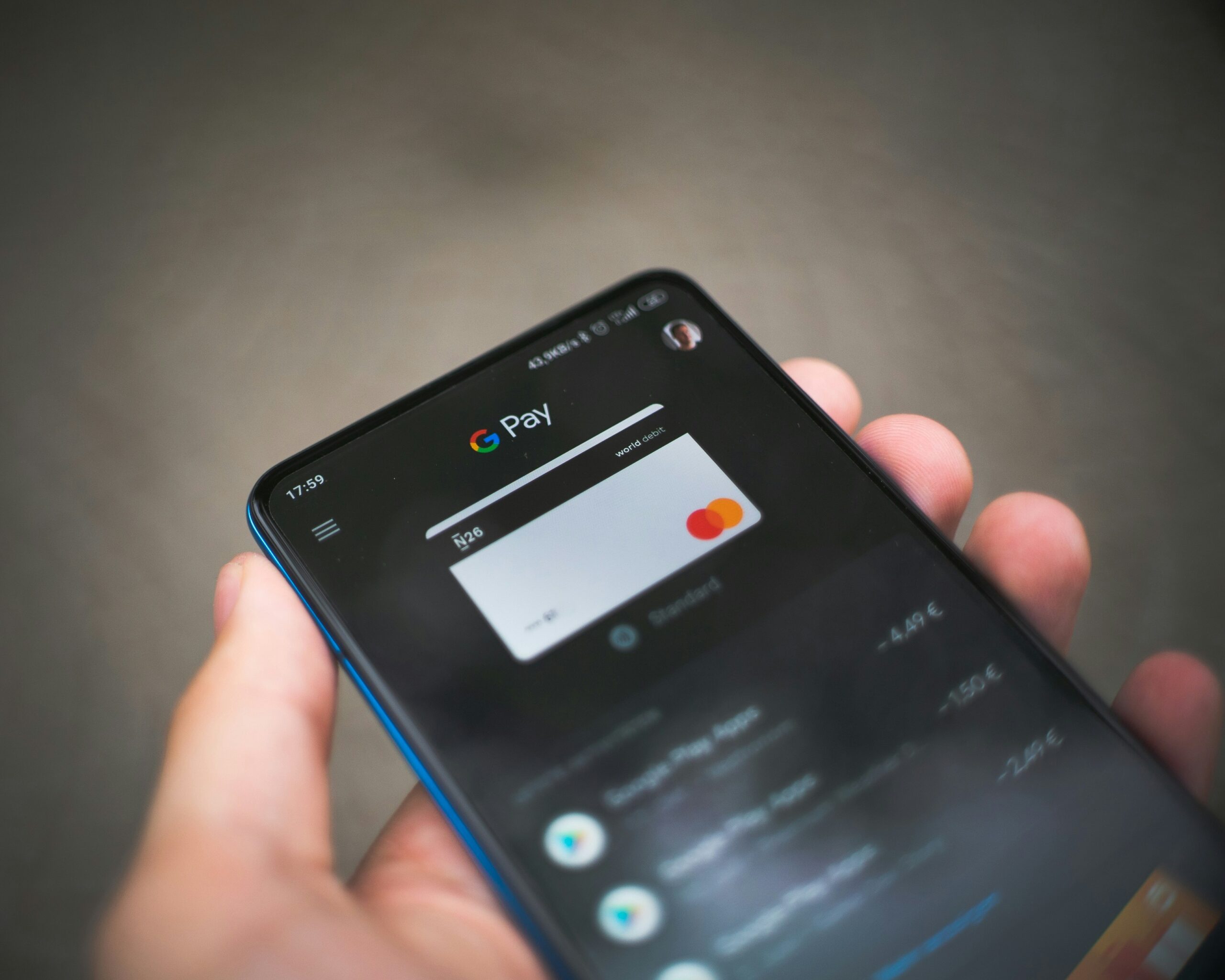
In the banking sector, which was formerly characterized by physical branches, money orders, and drawn-out lending procedures, the finance technology (Fintech) transformation has brought about an important change. Fintech has revolutionized conventional financial practices today, bringing efficiency, creativity, and inclusion on a never-before-seen scale. Not only is this combination of technology and economics changing the way banks function, but it is also changing the consumer experience, generating industries, and increasing the level of competitiveness.

The evolution of Fintech in banking
Banks have always had a monopoly-like grip over monetary services. To get loans, deposit accounts, or payments, clients were forced to deal with bureaucratic processes. However, the rise of Fintech businesses has brought customer-focused services and flexibility to the industry.
Fintech companies use cutting-edge technology like AI, distributed ledger, big data, and virtualization since they are not burdened by outdated systems. They can provide smooth online interactions because of these innovations, such as borderless payments, quick funding approvals, and banking apps for cell phones.
Notably, creativity in Fintech started as straightforward payment methods like PayPal before developing into a full range of services that may compete with those of conventional banks. With their fully online operations, rival banks and neobanks like Revolut, Monzo, and Chime do away with the necessity for branch locations while drastically cutting expenses. With quicker onboarding, cheaper costs, and round-the-clock access, these businesses have completely redesigned the client experience.
Disrupting traditional banking models
Fintech is revolutionizing banking by addressing conventional issues. Financial amenities are no longer exclusively controlled by banks. Fintech is making a significant impact in the following areas:
Enhanced accessibility
Globally, neglected and uninsured individuals now have access to monetary services thanks to fintech’s removal of entrance obstacles. Millions of people can now access financial services without an ordinary bank account thanks to digital currencies like Paytm in India and M-Pesa in Kenya. Financial stability has been promoted by this democratization of financing, benefiting people and small enterprises.
Personalized banking experiences
Fintech analyses user data using machine learning and AI to deliver individualized solutions based on each user’s demands. While apps like Cleo utilize conversational AI to furnish financial information, robo-advisors like Wealthfront and Betterment offer personalized investing advice. Because they relied on outdated technology, traditional banks have found it difficult to match this degree of personalization.
Faster transactions and loans
In the past, getting a loan needed weeks of documentation, and sending money across countries may take days. Fintech has made these procedures more efficient. While services like LendingClub link borrowers and lenders directly, eschewing conventional middlemen, blockchain-based technologies like Ripple allow for almost instantaneous global cash transactions.
Improved security and transparency
Fintech businesses are making significant investments in cutting-edge security features like biometrics, tokenization, and cryptography even as cybersecurity worries loom. Particularly, blockchain-based technologies have transformed industries like logistics finance and trade agreements by bringing previously unheard-of openness and fraud protection.
The collaboration between Banks and Fintech
At first, conventional banking was seen as directly threatened by fintech. But the focus now is on cooperation rather than rivalry. Many banks are partnering with or purchasing fintech businesses to expand their products because they understand the importance of fintech innovation.
JPMorgan Chase, for instance, has made significant investments in its digital platforms and worked with fintech firms to improve its digital ledger skills. In a similar vein, Goldman Sachs introduced Marcus, its online consumer financial system, to contend with personal loan fintech innovators.
These partnerships have worked out well for both parties. Modern technology and agility are made available to banks, and fintech firms profit from the reputation, regulatory know-how, and clientele of established banks.
Challenges in the Fintech-Banking convergence
Fintech has created a lot of occasion, but it also has a lot of problems.
Regulatory complexities
Fintech businesses frequently function in a grey area of regulations. In contrast, conventional banks are subject to strict regulations that guarantee both liquidity and customer safety. An unequal playing field results from the gap in monitoring, as authorities find it difficult to keep up with the fintech industry’s fast expansion.
Balancing innovation and trust
Even if fintech’s advances are fascinating, conventional banks have a decades-long reputation for reliability. Fintech businesses have to strike a balance between the requirement to build reputation and dependability and their creative methods.
The future of Fintech in banking
Banking is expected to undergo much more change in the future as the fintech era picks up speed. Unmatched creativeness and rivalry are being fostered by trends such as open banking, in which banks exchange data with third-party suppliers through APIs. Fintech companies may create cutting-edge applications and services that effortlessly link with consumers’ current accounts thanks to open finance.
Furthermore, sector lines are becoming more hazy due to the growth of integrated finance, in which non-financial firms integrate banking services straight into their online platforms. Examples of how banking services have turned commonplace are ride-sharing services applications that provide immediate transactions or e-commerce sites that give credit at the point of sale.
You may also find these articles helpful
Advantages and disadvantages of Aave
The transaction cost of Klaytn
The transaction cost of EOS