The use of gamification approaches is driving an exciting revolution in the trading industry. To reach a wider audience, make investing more approachable, and clarify difficult ideas, what was formerly thought of as a serious, data-driven activity is now incorporating aspects of gaming. However, how does trading gamification operate, and what does it portend for the financial industry going forward?
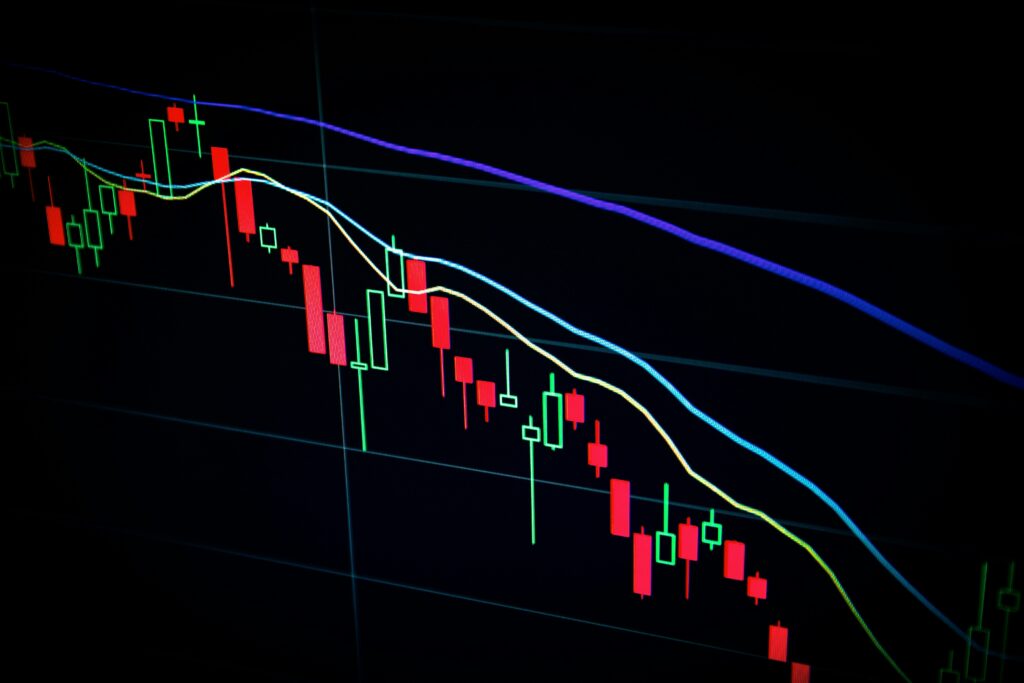
The intersection of gaming and trading
The term “gamification” describes the use of aspects of game design outside of games. This includes tools to make trading more involved and interesting, such as charts, accomplishments, badges, and virtual awards. To draw in younger demographics, foster a feeling of community, and reduce the barrier of fear for new investors, trading platforms include these features.
The goal of this gaming and trading combination is to create an immersive environment where learning and earning may coexist. It’s not only about having fun.
The rise of Gamified trading platforms
A new generation of trading systems has surfaced in the last ten years, using gamification to differentiate themselves in a crowded industry. The way that consumers see and engage in trading has been completely transformed by platforms such as Robinhood, Public, and Webull. These systems use gamified elements like:
- Interactive tutorials
Stimulating, game-like lessons are used to convey trade ideas to new customers.
- Achievements and badges
When investors reach certain milestones, such as making their first transaction or holding an investment for a predetermined amount of time, they are awarded badges.
- Leaderboard
By comparing their performance to that of others, traders might develop a culture of competition.
- Virtual portfolios
Users may practice trading in virtual settings offered by several platforms without having to risk real money.
These elements encourage participation and retention by making trading feel more like a video game than a high-stakes financial undertaking.
Why Gamification works in trading
The key to gamification’s effectiveness in trading is its capacity to appeal to human nature. People are inherently driven by rivalry, prizes, and recognition. Trading platforms may make investing less daunting and more enticing by using these components.
- Engagement
Whether it’s to see where they stand on a scoreboard or finish a trading challenge, gamified features keep customers coming back.
- Learning by doing
Users may learn the ropes without taking any risks thanks to interactive lectures and virtual situations.
- Motivation
Rewards and accomplishments provide consumers with a sense of success and motivate them to continue being active.
- Social connection
Trading becomes a communal experience thanks to leaderboards and neighborhood amenities that encourage rivalry and friendship.
The benefits of Gamification in trading
It has the following benefits:
Accessibility
Making trading accessible to a larger audience is one of gamification’s most important benefits. Gamified platforms offer an accessible entry point for people who would otherwise find trading too complicated or frightening.
Education
Additionally, gamification improves financial awareness. Platforms may engage users in learning about risk administration, investing strategies, and market dynamics by transforming courses into engaging activities.
Engagement and retention
In a world where people’s attention spans are getting shorter, gamified platforms are made to keep users interested. Users may develop regularity in their trading practices by regularly interacting with the site through features like challenges and streaks.
Community building
Gamified platforms foster a feeling of community by including social components like forums, rankings, and shared difficulties. Users may compete in a friendly setting, share successes, and learn from one another.
The risks of Gamification
Gamification offers obvious advantages, but there may be drawbacks as well. Gamification of trading, according to critics, might make it difficult to distinguish between gambling and investing. Platforms may promote impulsive behavior and excessive risk-taking by placing a strong emphasis on incentives and competitiveness.
Furthermore, the excitement of climbing leaderboards or winning badges may override the significance of making wise financial decisions. Instead of developing a long-term investing plan, users can concentrate more on “winning the game.”
The future of Gamification in trading
Gamification has enormous potential in trading as it develops further. Here are some trends to keep an eye on:
Personalized Gamification
AI may be used by platforms to design unique challenges and incentives based on traders’ preferences.
Integration with the metaverse
Users might be able to “trade” in a 3D world while engaging with other traders’ avatars in more realistic virtual trading settings.
Enhanced learning tools
Gamified platforms might broaden their educational offerings by using virtual reality (VR) or augmented reality (AR) to teach difficult subjects.
Real-world rewards
To provide users with material incentives, like discounts or other benefits, for reaching trade milestones, certain platforms are looking into partnering with companies.
You may also find these articles helpful
Trading with Filecoin – full guide
Trading with Hedera – full guide