Cross-border money transfers are just as important in today’s globalized society as the interchange of products, services, and ideas. Cross-border payments allow individuals, organizations, and governments to interact easily on a worldwide basis and are the financial backbone of international commerce, remittances, and investments. However, international payments have long been plagued by delays, high prices, and inefficiencies despite their significance. However, the cross-border payment ecosystem is changing dramatically as a result of changing regulatory environments and the emergence of digital innovation.
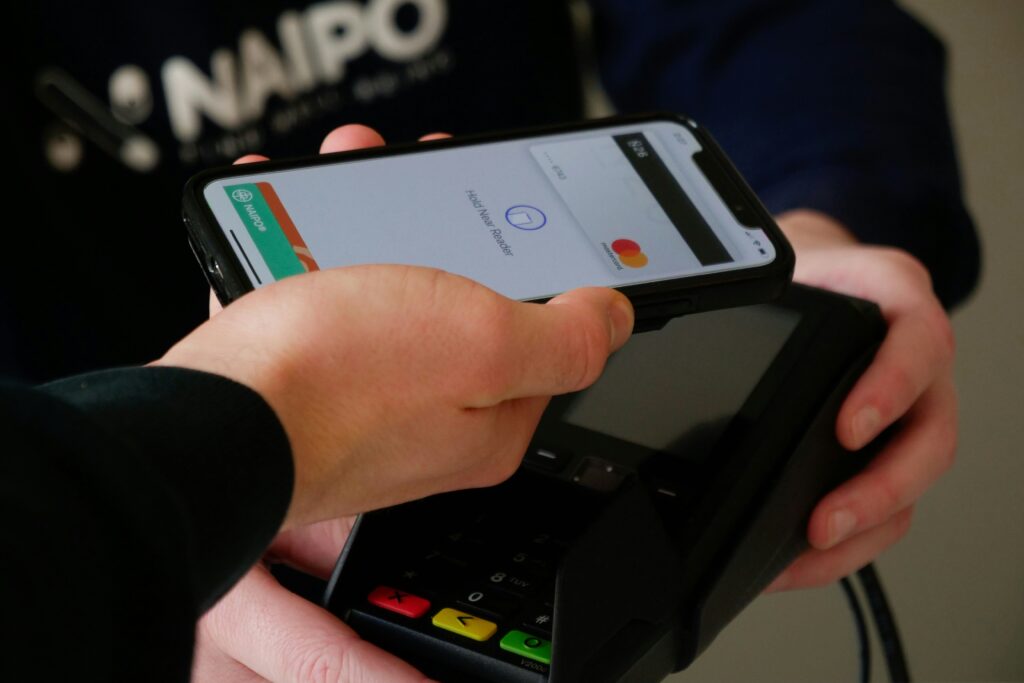
The backbone of global commerce
Any financial transaction involving parties in separate nations is considered a cross-border payment. These payments are essential for several reasons, such as remittances, foreign direct investment, international trade, and personal needs like travel or tuition. They support humanitarian relief, cultural interaction, and international integration in addition to commercial activities.
Companies in particular depend significantly on international payments to pay staff abroad, settle debts with foreign suppliers, and collect money from clients in other countries. Global cross-border cash transactions were valued at an anticipated $156 trillion in 2023, highlighting their crucial importance in the contemporary economy.
The complex journey of cross-border payments
International trade entails several intermediaries, currencies, and legal structures, in contrast to domestic payments. Several banks may handle a standard cross-border settlement, each of which adds costs and processing time. The process is made more difficult by currency translations, compliance audits, and anti-money laundering (AML) procedures.
These transactions have historically depended on networks of correspondent banks, in which banks have mutually beneficial accounts with one another. Despite being in place for decades, this system has several serious problems, such as exorbitant expenses, a lack of openness, and inefficiencies that can last up to five working days.
Challenges in the current system
Even with their widespread use, cross-border transfers continue to present difficulties that affect financial institutions, enterprises, and consumers alike.
- High costs
Cross-border transfers can be unaffordable due to transaction costs, convert currency fees, and intermediate bank fees, especially for small enterprises and individuals making remittances.
- Slow processing times
Businesses that rely on quick cash flow are frustrated by the frequent delays caused by the use of manual procedures and outdated technologies.
- Lack of transparency
Uncertainty results from senders’ frequent lack of awareness of the overall expenses and delivery schedules of their transactions.
- Limited financial inclusion
People in underdeveloped nations, where access to reasonably priced financial products is already scarce, are especially affected by high prices and inefficiency.
- Regulatory barriers
Compliance is made more difficult by national variations in legal and regulatory frameworks, which raises the possibility of mistakes and delays.
The digital revolution in cross-border payments
A surge in creativity in international payments has been made possible by the flaws in conventional methods. This change is being driven by blockchain solutions, fintech firms, and digital technology, which provide quicker, less expensive, and more transparent options.
The rise of real-time transaction systems, which provide almost instantaneous transactions by eschewing conventional middlemen, is among the most important advances. For instance, sites like TransferWise (now Wise) concentrate on transparency and competitive currency rates, while systems like RippleNet use the distributed ledger to provide easy, affordable international transfers.
Another innovative idea that shows promise is central bank digital currencies or CBDCs. Central banks want to lower the costs and friction of cross-border transactions, especially in currency exchange and settlement, by digitizing national currencies.
The rise of Fintech in cross-border payments
Because they provide user-friendly systems that meet both individual and commercial demands, fintech businesses have become important players in the global payment market. To increase productivity and security, these businesses are using cutting-edge technology like blockchain, artificial intelligence, and machine learning.
Payoneer and other specialized systems cater to freelancers and international e-commerce traders, while PayPal, Wise, and Revolut offer affordable options to people and small enterprises. These systems speed up transactions and provide considerable savings by removing middlemen and optimizing currency exchanges.
Conclusion
Cross-border payments are now more than simply a means of money transfers; they are essential to economic growth and global connection. Even if there are still issues, the quick speed at which technology is developing and the increasing cooperation among stakeholders are changing the terrain.
Cross-border payments have evolved to become more than simply a convenience in a world where governments, corporations, and individuals are becoming more integrated. Cross-border payments are opening up new opportunities and fostering global unity by removing financial obstacles and facilitating smooth international transactions.
You may also find these articles helpful
Using Paytm online payment service – full guide
Complete instructions for using Google Pay online payment service
Using BitPay online payment service-full guide