In a world where cashless transactions are becoming more and more common, QR code payments have become one of the easiest and most convenient options. Those little squares with black and white pixels, known as Quick Response (QR) codes, have evolved from a specialized technology to a widespread payment method. Because of their simplicity, affordability, and adaptability, QR codes are now a vital tool for both consumers and enterprises.
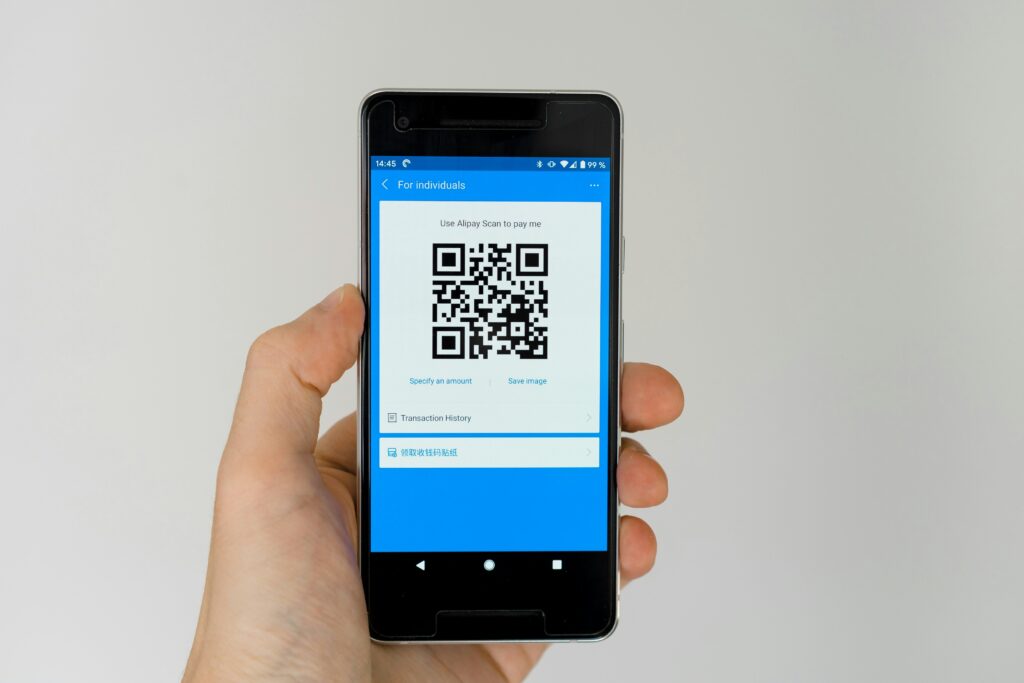
QR codes are influencing the direction of commerce by facilitating smooth retail transactions and transforming peer-to-peer payments. This article explores the advantages, disadvantages, and revolutionary significance of QR code payments in the digital economy.
The mechanics of QR code payments
Fundamentally, QR codes are two-dimensional barcodes that contain data that may be scanned by a specialized scanner or the camera on a smartphone. QR codes are much more adaptable than standard barcodes since they can store more data and be read in any direction.
In terms of payments, QR codes serve as a conduit between the payer and the recipient, enabling a swift and safe exchange. Two primary categories of QR code payment systems exist:
- Static QR codes
Usually used for straightforward transactions, static QR codes are fixed. A printed or digital QR code connected to the customer’s payment account is shown by the business. Consumers approve the transaction after scanning the code and entering the payment amount.
- Dynamic QR codes
Real-time dynamic QR codes are created specifically for each transaction. Customers no longer need to enter extra information because these codes might contain relevant parameters like the transaction amount or purpose.
With only a mobile device with a camera and appropriate payment software, both methods are made to make payments simple and quick.
Benefits of QR code payments
The many benefits of QR code payments are the reason for their widespread use:
- Simplicity
Paying with a QR code is simple and requires little setup. Customers require a smartphone and a compatible app, while merchants merely need a physical or digital QR code.
- Low cost
QR codes are less expensive to implement than other payment methods. Because they don’t require expensive hardware like point-of-sale (POS) terminals, QR codes are especially attractive to street vendors and small companies.
- Accessibility
By offering a cashless payment option independent of credit or debit cards, QR code payments help close the gap for underprivileged and unbanked people.
- Security
A secure exchange of funds is ensured by the encryption and frequent two-factor authentication of transactions made through QR codes. Specifically, dynamic QR codes lower the possibility of fraud or tampering.
- Versatility
The user experience can be improved by using QR codes to contain extra data, such as product specifications, special offers, or loyalty points, in addition to payments.
QR codes in diverse industries
Due to their versatility, QR code payments have spread over several industries:
- Retail and e-commerce
Faster checkouts are made possible with QR codes, both online and in real stores. Consumers can pay by scanning a code, which improves convenience and cuts down on wait times.
- Transportation
Physical tickets and cash are no longer necessary thanks to the widespread use of QR codes for ticketing and payment in public transport systems.
- Hospitality
To provide a completely contactless dining experience, restaurants, and cafes are implementing QR codes for menu perusing, ordering, and payment.
- Peer-to-peer transactions
Without requiring account information, QR codes make it easier to divide bills, send money to pals, and pay service providers.
Challenges of QR code payments
Despite their benefits, QR code payments are not without challenges:
- Reliance on smartphones
QR code payments require customers to have a smartphone with a functioning camera and internet access, which may exclude certain demographics.
- Fraud risks
While generally secure, static QR codes can be tampered with. For instance, a fraudster could replace a legitimate code with one linked to their account.
- Interoperability issues
Not all QR code systems are compatible, which can be a hurdle in regions with multiple payment platforms.
- User adoption
Traditional ways to pay like cash or cards may be preferred by elderly individuals and less tech-savvy people who are reluctant to use QR codes.
The future of QR code payments
QR code payments are positioned to be a key component of the development of commerce as the globe grows more digitally connected. Fast, decentralized payments are already made possible by the integration of QR codes with recent developments like cryptocurrency and blockchain-enabled settlements.
Furthermore, developments in augmented reality (AR) may improve the usability of QR codes. Imagine seeing an augmented reality display of evaluations of products or usage advice at a store after scanning a code.
For social projects like delivering financial assistance to rural locations or giving subsidies, authorities and banks are also investigating QR codes.
You may also find these articles helpful
Using Paytm online payment service – full guide
Complete instructions for using Google Pay online payment service
Using BitPay online payment service-full guide