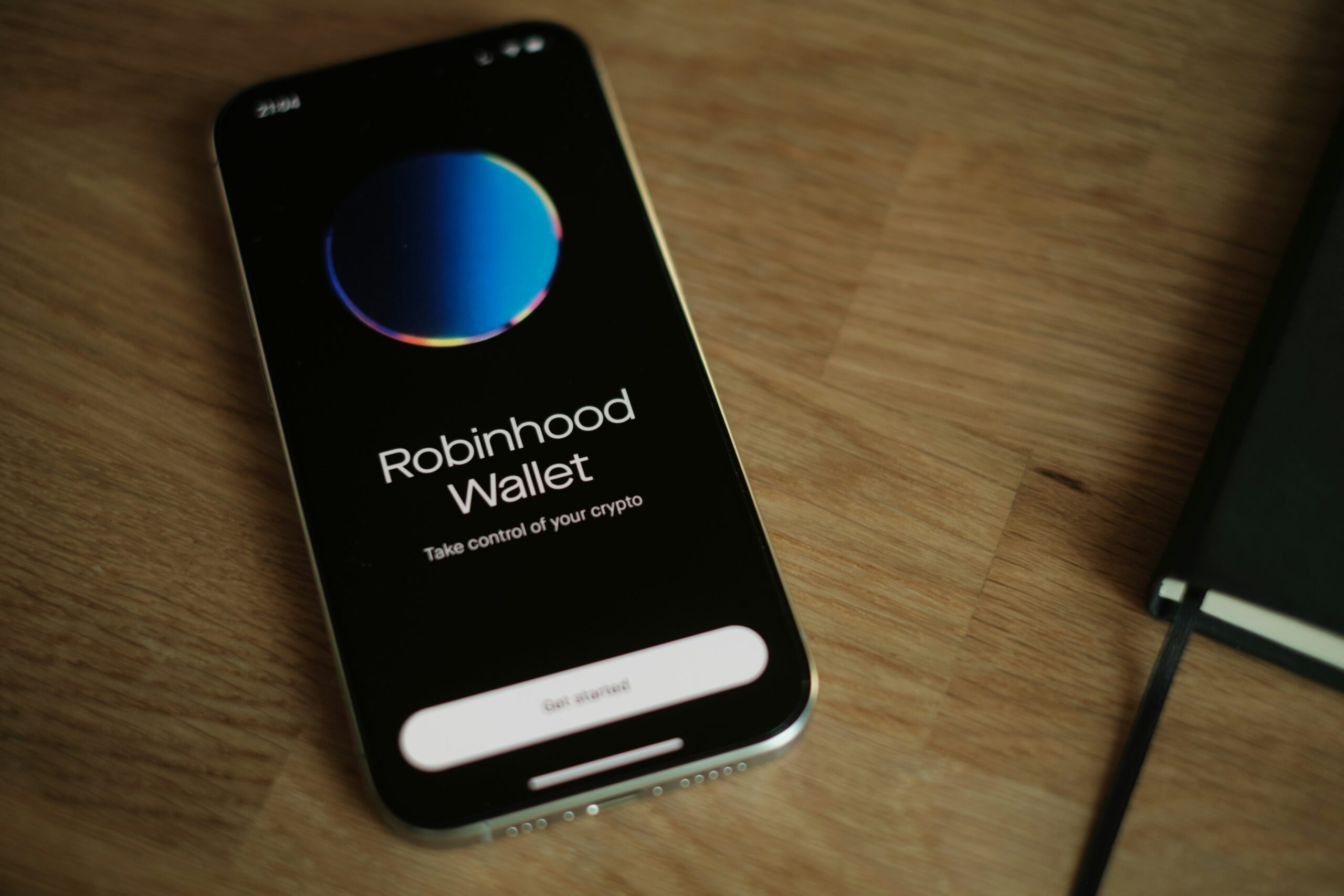
The development of mobile wallets is one of the most revolutionary tales of contemporary technology in a world where convenience propels innovation. What started as a specialized idea has become a commonplace tool that is changing the way we manage money, shop, and even consider financial transactions. These days, mobile wallets are more than simply an electronic duplicate of your actual wallet; they are a representation of the cashless society and evidence of how technology can make life easier.
The upsurge of mobile wallets: Convenience meets security
Apple made mobile payments popular by fusing solid security safeguards, svelte design, and convenience of use. Subsequently, Samsung Pay and Android Pay expanded the ecosystem and established a competitive market.
The combination of security and convenience was essential to their success. With just a short scan of a QR code or a tap of the phone, users of mobile wallets were able to make payments. They made it unnecessary to keep cash on hand, carry actual cards, or even memorize PINs. Consumers now trust mobile wallets because of features like tokenization, encryption, and biometric identification (like fingerprint or facial recognition) that allay worries about security.
Global adoption: From niche to necessity
Regional variables played a major role in the first unequal adoption of mobile wallets. While smartphone penetration frequently surpassed access to conventional banking services in poorer countries, usage of smartphones surged in advanced nations with existing banking infrastructure.
With platforms like Alipay and WeChat Pay becoming indispensable tools for day-to-day living, China became a pioneer in the mobile wallet revolution. In addition to payments, these wallets had peer-to-peer lending, paying bills, and ticket booking capabilities.
Beyond payments: The expanding role of mobile wallets
The original use of mobile wallets has been greatly outgrown. They have evolved into multipurpose platforms that blend in perfectly with daily life, going beyond simple tools for processing payments and storing credit card information.
- Financial management
These days, mobile wallets come with features like investing possibilities, budgeting tools, and cost tracking. Through the app, users may invest in stocks or mutual funds, set savings goals, and keep an eye on their spending patterns.
- Rewards and loyalty programs
Numerous mobile wallets collaborate with merchants to provide loyalty benefits, cashback, and special discounts. In addition to improving user engagement, this integration gives companies insightful data about their customers.
- Digital identification
Digital identity features have started to be added to some cellular wallets, enabling users to save and retrieve documents like airline passes, driver’s licenses, and ID cards.
- International payments
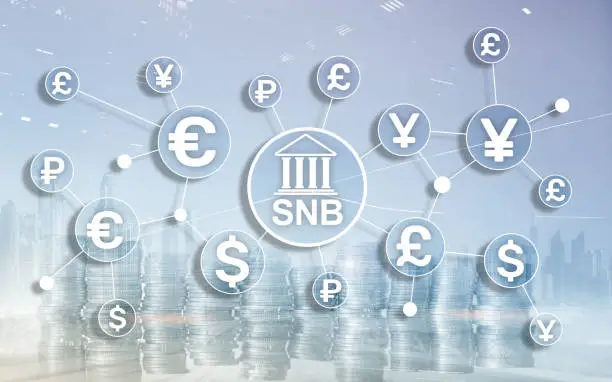
With comparable rates and quicker processing times than conventional approaches, cellular wallets have made payments across borders and currency conversions easier.
Challenges: Balancing innovation with trust
Despite their popularity, mobile wallets still have issues that may prevent them from being widely used.
- Security concerns
Despite having sophisticated security safeguards, mobile wallets are still vulnerable to hacks. Constant dangers include malware, phishing scams, and illegal access.
- Interoperability issues
Not every mobile wallet is accepted by everyone. Some depend on certain technology, such as NFC or QR codes, which may cause problems with platform and merchant compatibility.
- Digital divide
Mobile wallet usage is slower in areas with low access to smartphones or erratic internet connectivity, excluding a sizable section of the populace from the advantages of digital payments.
Conclusion: A transformative journey
The development of mobile wallets is a tale of inventiveness propelled by the need for availability, safety, and ease. Mobile wallets have revolutionized the way we deal with money, starting as simple electronic payment tools and evolving into comprehensive financial platforms today.
Mobile wallets will change the financial environment and our connection with technology as they develop further, making all transactions—no matter how big or small—smarter, quicker, and easier.
You may also find these articles helpful
Digital currencies vs cryptocurrencies
Digital currency in remittances
Pros and cons of digital currencies