Over the last ten years, Europe’s financial services sector has experienced a significant upheaval. The Revised Payment Services Directive (PSD2), a legal framework that the European Union implemented in 2018, is at the center of this development. PSD2, a key component of the European fintech boom, was created to promote rivalry, improve consumer safety, and stimulate innovation. It has changed how customers engage with financial institutions, enabled innovators, and put incumbents to the test.
The birth of fintech ecosystems
Conventional banks’ monopoly over financial information was successfully broken up by PSD2, leveling the playing field for fintech businesses. Europe has thus emerged as a hub for fintech creativity, with firms thriving in industries including insurance companies, financial planning, lending, and electronic payments.
- Payment innovations
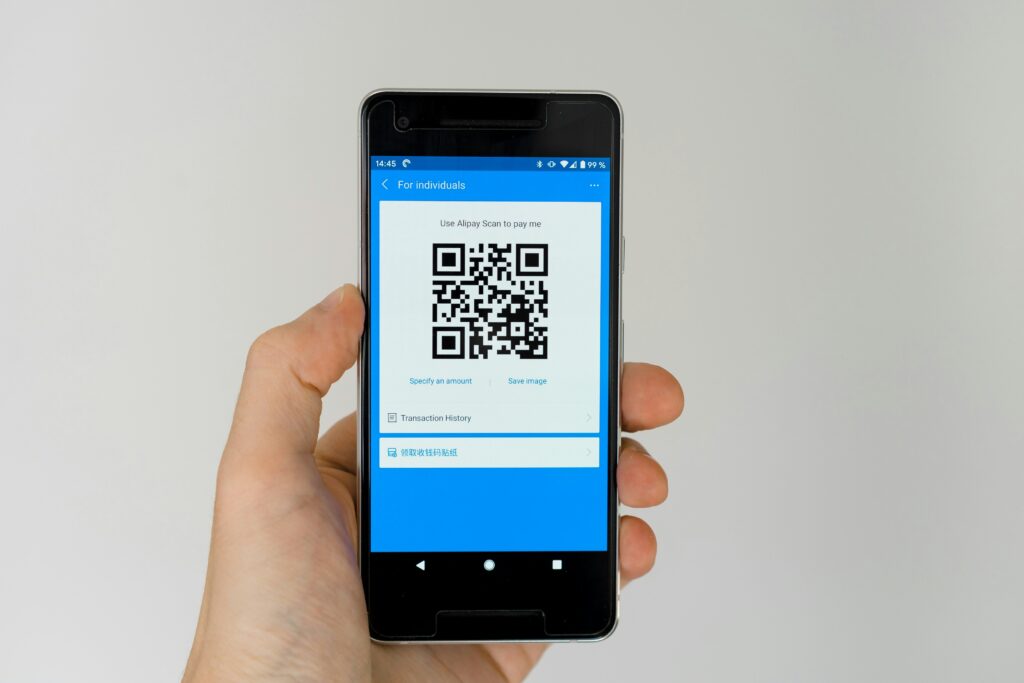
Different means of payment were developed as a result of PSD2. By utilizing PISP capabilities, businesses such as Klarna and Trustly have reduced their dependency on conventional credit and debit cards by providing easy, direct-from-account transactions.
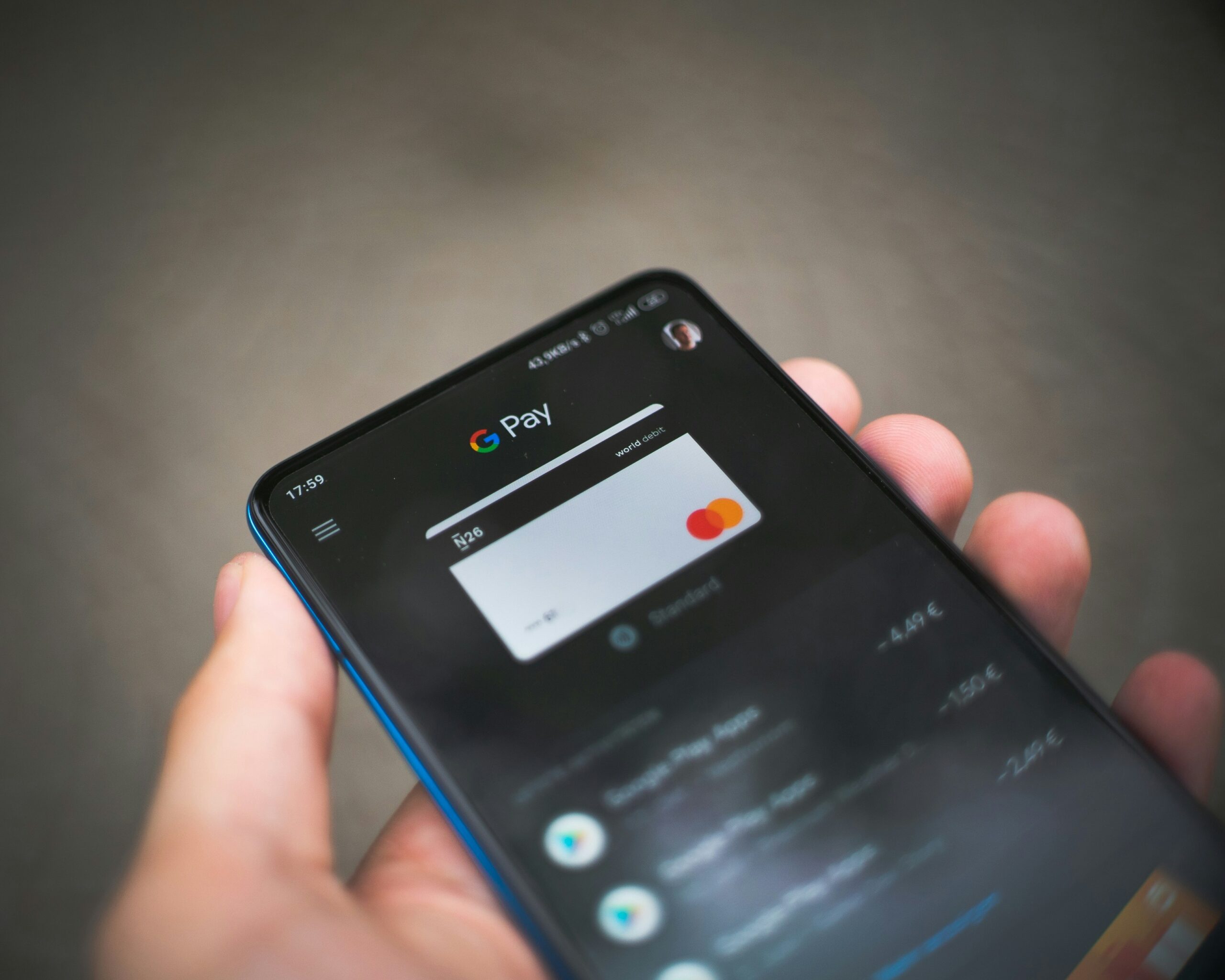
Additionally, popular are digital wallets such as Revolut and N26, which provide users with currency conversion capabilities, streamlined payments, and immediate insight into their expenditure habits.
- Personal finance management
By combining information from several financial accounts into user-friendly dashboards, AISPs have completely transformed the administration of personal finances. Consumers can now track consumption, make budgets, and maximize savings with apps like Yolt and Moneyhub, which were previously only available to elite financial customers.
- Embedded finance
Embedded financing, in which financial services are integrated into non-financial platforms, has grown in popularity thanks to the open banking paradigm. For example, thanks to fintech companies like Klarna and Afterpay, retailers increasingly provide “buy now, pay later” (BNPL) alternatives directly within their natural environments.
Challenges in implementation
PSD2 has presented difficulties even as it has allowed for hitherto unheard-of levels of creativity.
- Bank-fintech collaboration
Although banks are required under the mandate to provide APIs, execution has been uneven throughout Europe. Fintechs that depend on banks have been irritated by their sluggish compliance and restricted functionality in their APIs.
- Consumer awareness
Consumer engagement is essential to PSD2’s success, yet open banking knowledge is still low in many European countries. Even in cases where sharing financial information might lead to better services, many customers are reluctant to do so.
- Regulatory fragmentation
Different member nations have embraced PSD2 with differing degrees of zeal, despite the EU-wide mandate. The spread of cross-border fintech may be impeded by this regulatory fragmentation.
Opportunities on the horizon
PSD2 is setting the stage for even more significant developments in European fintech as it develops further.
- Digital idnetity
One area that shows promise is the integration of digital identification services with financial systems. APIs that comply with PSD2 might provide the foundation for safe, instantaneous identity verification, and expediting procedures such as loan approvals and account opening.
- Artificial intelligence in Finance
Fintech businesses may use AI to deliver highly customized services if they have access to deeper facts. The options are numerous, ranging from fraud identification systems to predictive analytics for financial advice.
- Beyond banking
The tenets of PSD2 are having an impact on various industries, including energy and insurance. Open banking served as the inspiration for the growing popularity of open coverage, which allows for more competitive and individualized products for customers.
Traditional banks: Competitors or collaborators
PSD2 has presented both opportunities and challenges for conventional banks. Numerous financial institutions are now accepting the fintech sector through collaborations, acquisitions, or the establishment of their digital platforms after first seeing it as a threat.
Examples include BBVA’s purchase of Openpay and ING’s partnership with the fintech company Yolt. These programs show how established firms may compete in the post-PSD2 environment.
The global influence of PSD2
A global standard for open banking has been established via PSD2. PSD2 is frequently used as inspiration by nations like Australia, Brazil, and Japan as they create their open banking frameworks. The global trend towards data democratization and customer-focused financial services is highlighted by this regulatory trend.
Conclusion
The European economic scene has changed dramatically as a result of PSD2. A vibrant fintech ecosystem has emerged as a result of the democratization of the availability of financial information, which has spurred a wave of innovation. PSD2’s legacy will not only influence European fintech but also act as a model for financial ecosystems throughout the globe as it develops further. The entire scope of its revolutionary impact will become apparent in the coming years, ushering in a new age of cooperation, competition, and innovation in the financial industry.
You may also find these articles helpful
Top fintech companies and startups