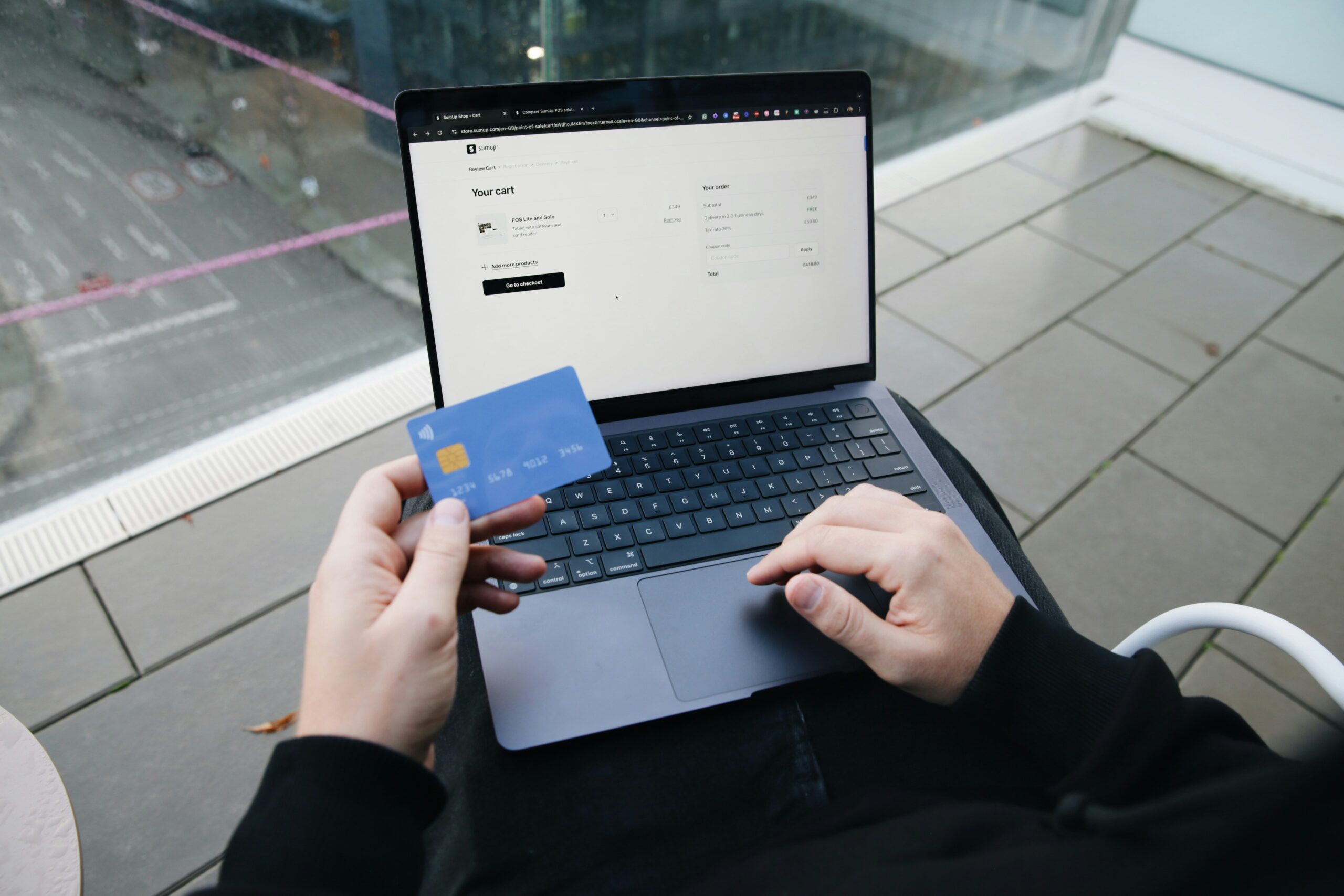
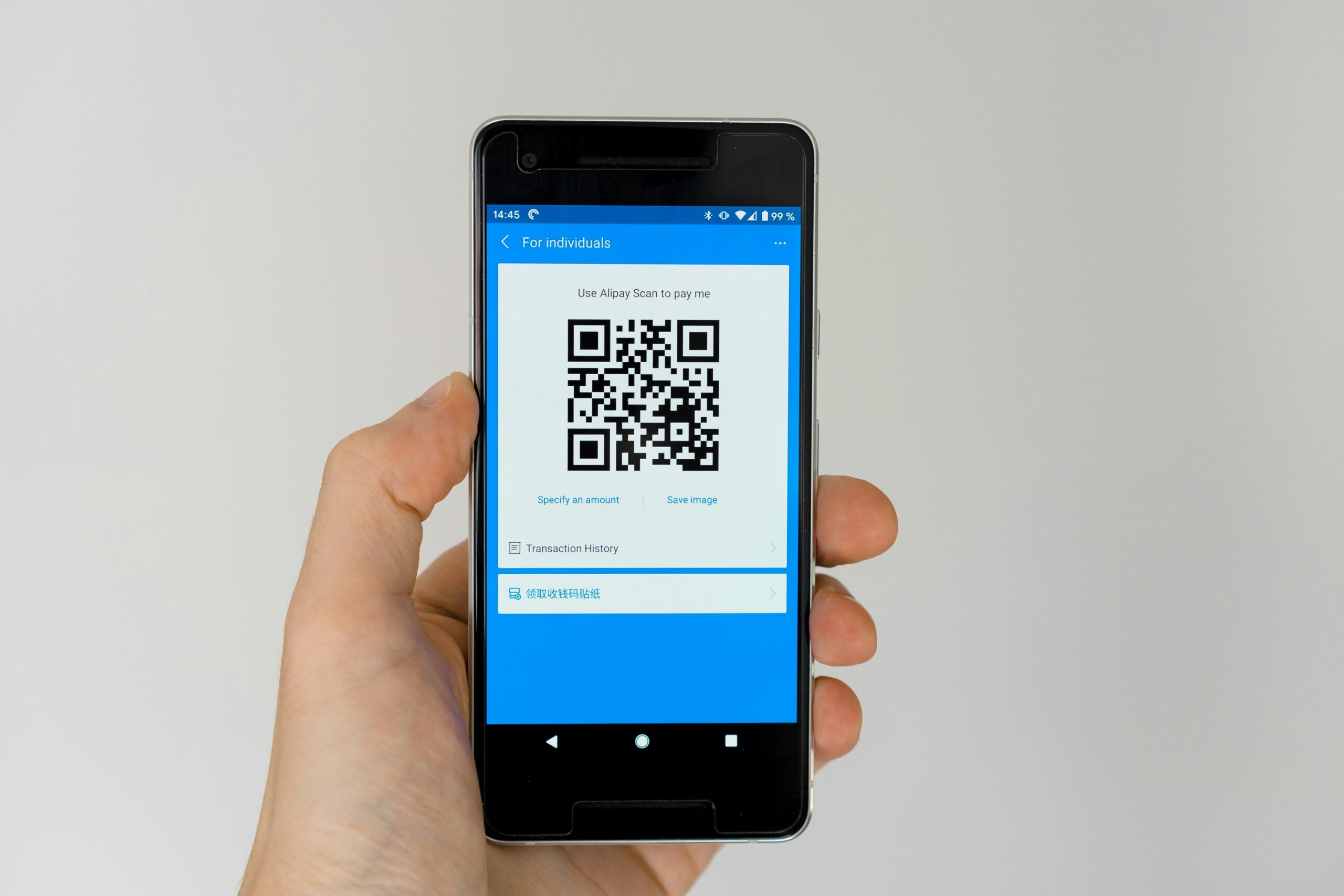
Trade finance has traditionally served as the unseen foundation of international trade, facilitating the smooth movement of commodities across borders and allowing enterprises to expand without worrying about cash flow. However, this crucial system has been beset by inefficiencies for decades, including delayed paper-based procedures, exorbitant expenses, and restricted access for small enterprises. Fintech comes into play. Fintech is streamlining trade financing by fusing technology and finance, making it quicker, more transparent, and more inclusive. Beyond the data and digital systems, however, this change is about people—small company owners, dealers, and entrepreneurs who now have more chances to prosper in a globalized society.
Fintech’s digital revolution
Trade financing has long been a complex web of paperwork, including letters of credit, bills, and guarantees, all of which need several parties’ stamps, signatures, and approvals. Processing a single cargo might take weeks. Fintech is revolutionizing this process by digitizing each stage. Blockchain-based smart contracts make sure that when certain requirements are satisfied, payments are sent automatically. Verification driven by AI expedites document inspections. Real-time transaction tracking is made possible for importers and exporters via cloud-based technologies. Fintech has made it instantaneous, dependable, and stress-free for small coffee exporters in Kenya to get payment confirmation from European buyers, eliminating the need for them to wait weeks.
Small businesses, big opportunities: Bridging the trade finance gap
Large firms have historically benefited from trade financing. Because of stringent credit standards and drawn-out approval procedures, small and medium-sized businesses (SMEs) sometimes have difficulty obtaining capital. The playing field is being leveled by fintech. Instead of relying just on credit ratings, digital lending platforms use other data, such as transaction history and real-time cash flows, to evaluate risk. By enabling early payments to small suppliers, supply chain financing solutions alleviate cash flow issues. A family-owned textile company in India may now obtain capital to complete a global order without being bogged down in bureaucracy. People who need power the most are regaining it thanks to fintech.
Speed and security: Making global transactions safer and faster
Delays are a well-known problem with traditional trade finance. Entire supply chains can be disrupted by a payment that gets blocked in foreign financial systems. This is being addressed by fintech-driven cross-border payment systems that use decentralized finance (DeFi) and blockchain technology to facilitate immediate settlements. AI-powered fraud detection and identity verification systems are also being used to combat fraud, a significant issue in international trade. Fintech removes the concern of whether payments will be received on schedule or whether paperwork will be misplaced during transit for a Vietnamese furniture manufacturer sending goods to the United States. Transactions that are quicker, safer, and more transparent allow firms to concentrate on expansion rather than red tape.
The end of middlemen: Lower costs, higher efficiency
Banks, brokers, and other financial organizations have historically been the main players in trade financing, taking a share in exchange for facilitating transactions. Businesses, particularly smaller ones, had to pay more as a result. Fintech is eliminating intermediaries. Peer-to-peer finance systems streamline the loan process and cut costs by putting investors and borrowers in direct contact. Digital escrow services provide buyer-seller confidence without requiring costly third-party verification. Once dependent on sluggish banks, an Indonesian spice dealer may now conduct business directly with European purchasers for a tenth of the price. Efficiency involves more than simply speed; it also involves cost and equity.
A more inclusive future: Expanding trade finance access
Accessing trade financing is challenging for many enterprises in emerging nations that are either underbanked or not banked at all. Fintech is altering this by offering alternative funding options through decentralized finance and mobile banking. Blockchain-based loan platforms have made microfinance accessible to Brazilian farmers who export organic goods to Europe. Through fintech-driven gender-inclusive financial initiatives, women-led businesses—which are frequently disregarded by traditional banks—can get trade credit. Fintech is opening up international trade to everyone, not just the wealthy, by removing obstacles.
The road ahead: A smarter, more connected trade finance system
The influence of fintech on trade finance is only getting started. Blockchain will improve security even further, AI will keep improving risk assessment, and digital identity solutions will make compliance easier. Financial institutions and governments are catching up, and developing regulatory frameworks that support innovation while maintaining stability. The future of trade finance is about empowerment, not simply technology. Fintech is making trade finance easier, more equitable, and more accessible for everyone involved, whether they are farmers in Africa, manufacturers in Asia, or artisans in South America. No goal is too large or enterprise too modest in this new era. Global trade is becoming a genuinely global opportunity because of fintech.