In a world where globalization and technology are erasing national boundaries, remittances—the money that migrants send home—are a monument to the tenacity, love, and responsibility of people. These transactions impact economies, feed aspirations, and frequently determine whether a company survives or thrives. They are more than simply figures on a financial sheet. However, increasing migratory patterns, economic volatility, and digital revolution are all having a significant impact on worldwide remittance trends. To uncover the true narratives underlying these financial movements, let’s examine these shifts from a humanized standpoint, going beyond the numbers.

Digital wallets and cryptocurrencies
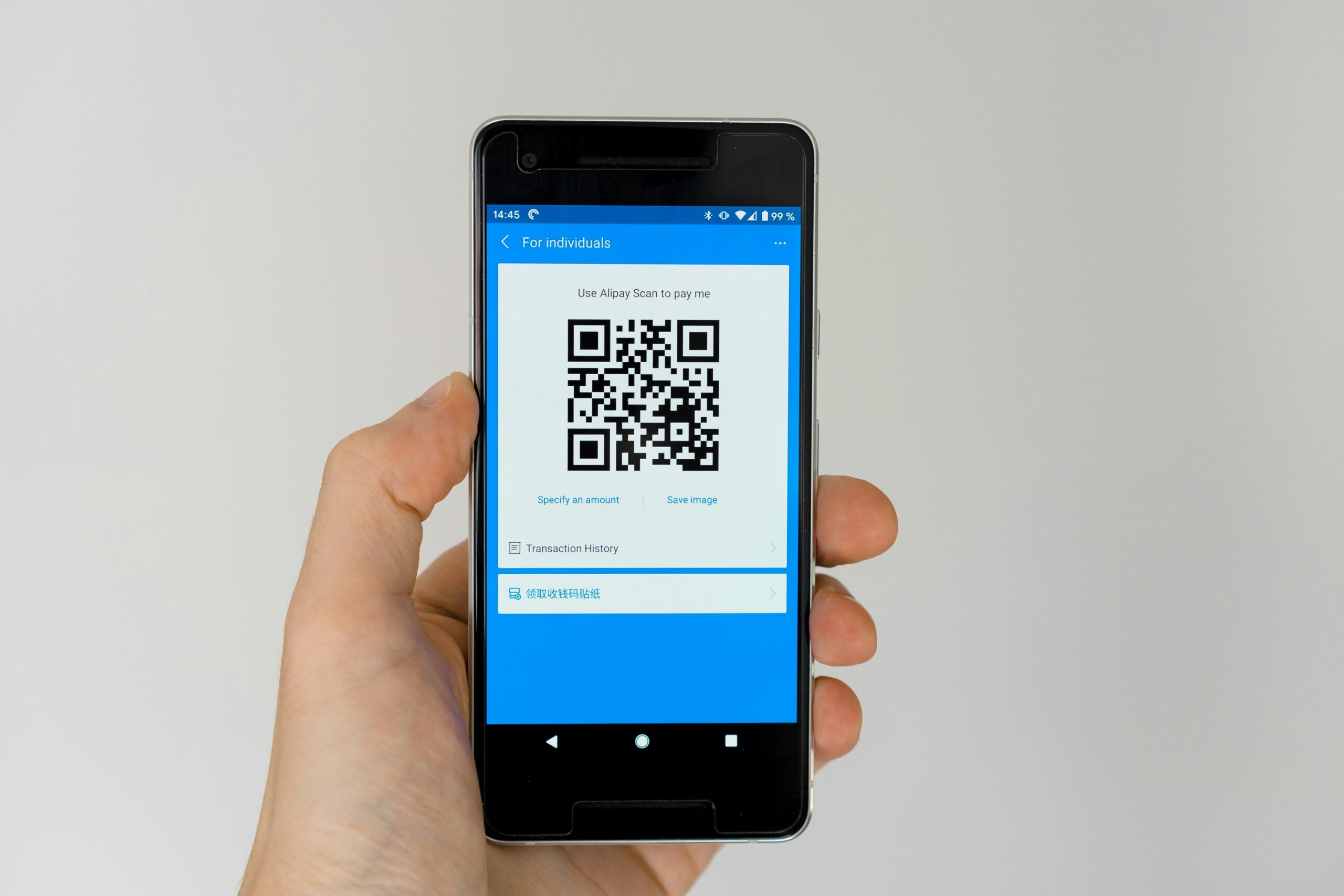
Remittances used to be associated with lengthy bank lines, exorbitant costs, and anxious waiting. The regulations have changed in the current day due to the digital revolution. Cross-border transactions are becoming easier, quicker, and less expensive thanks to cellular wallets and blockchain-enabled Digital solutions. Despite legal obstacles, migrants who want to get around traditional banking limits are increasingly favoring cryptocurrencies. With reduced transaction costs and improved security, digital remittances are now a reality rather than a pipe dream.
The pandemic effects
Global remittances were predicted to be crushed by the COVID-19 epidemic. Experts forecasted a steep drop as migratory workers were severely impacted by job losses and recessions. However, a remarkable event occurred: remittances showed resilience and even increased in certain areas. This has to do with accountability, not simply numbers. As physical barriers prevented monetary transfers, families squeezed their belts, migrants took on more shifts, and internet channels exploded. Unexpected increases in immigration to nations like Mexico, Pakistan, and the Philippines served as a reminder to the rest of the globe that human ties only develop stronger during difficult times. Fundamentally, remittances are lifelines driven by love and sacrifice rather than only being business dealings.
The rising cost of sending money
Even with advances in technology, transmitting money internationally is still a costly undertaking. Fees are typically approximately 6%, while certain corridors have significantly higher costs. Why? Prices remain persistently high due to the dominance of a few major businesses, traditional banking systems, and regulatory constraints. Every dollar lost to fees means that a minimum wage worker has less money for nourishment, schooling, or healthcare back home. Lower prices are being pushed for by governments and fintech businesses, but obstacles still exist. The goal of an affordable international remittance system is still only a fantasy, though.
The power of migrants
Stereotypes about migrant labor are common, but statistics show otherwise. They are financial engines rather than economic burdens. Global remittances surpassed $800 billion in 2023 alone, outpacing foreign direct investment in several low-income countries. These influxes are crucial to the economic stability of nations like Egypt, Mexico, and India. The true narrative, however, is personal and goes beyond the macroeconomic effects. A Qatari manufacturing worker is making sure his siblings receive an education by sending money to his family in Bangladesh. A Canadian nurse is giving her elderly parents in Jamaica respect as they age. In addition to their labor, these hidden heroes sustain economies via their steadfast devotion to their loved ones.
The climate crisis and the future of remittances
One new but little-discussed aspect of global remittance patterns is the climate problem. Communities are being forced to relocate due to extreme weather occurrences, increasing sea levels, and natural calamities. The need for remittances will increase in tandem with climate-induced relocation. Due to floods, a Bangladeshi farmer may suddenly be dependent on a family member who works in Dubai. After being uprooted by storms in Honduras, a family turns to their son in the United States for financial assistance. This transformation portends a day in the future when remittances will be necessary for both economic possibilities and survival in a world that is changing due to climate change. The future will be defined by the tale that is still being written about the relationship between migration, remittances, and climate resilience.
The road ahead
The remittance environment is expected to continue changing in the future. One important factor that will guarantee that even the most isolated areas have access to easy money transfers is financial inclusion. Remittances have a bright future due to the unwavering spirit of both senders and recipients, not only technology.
You may also find these articles helpful
Digital currency in remittances
Using WorldRemit online payment service – full guide
Most popular online payment solutions