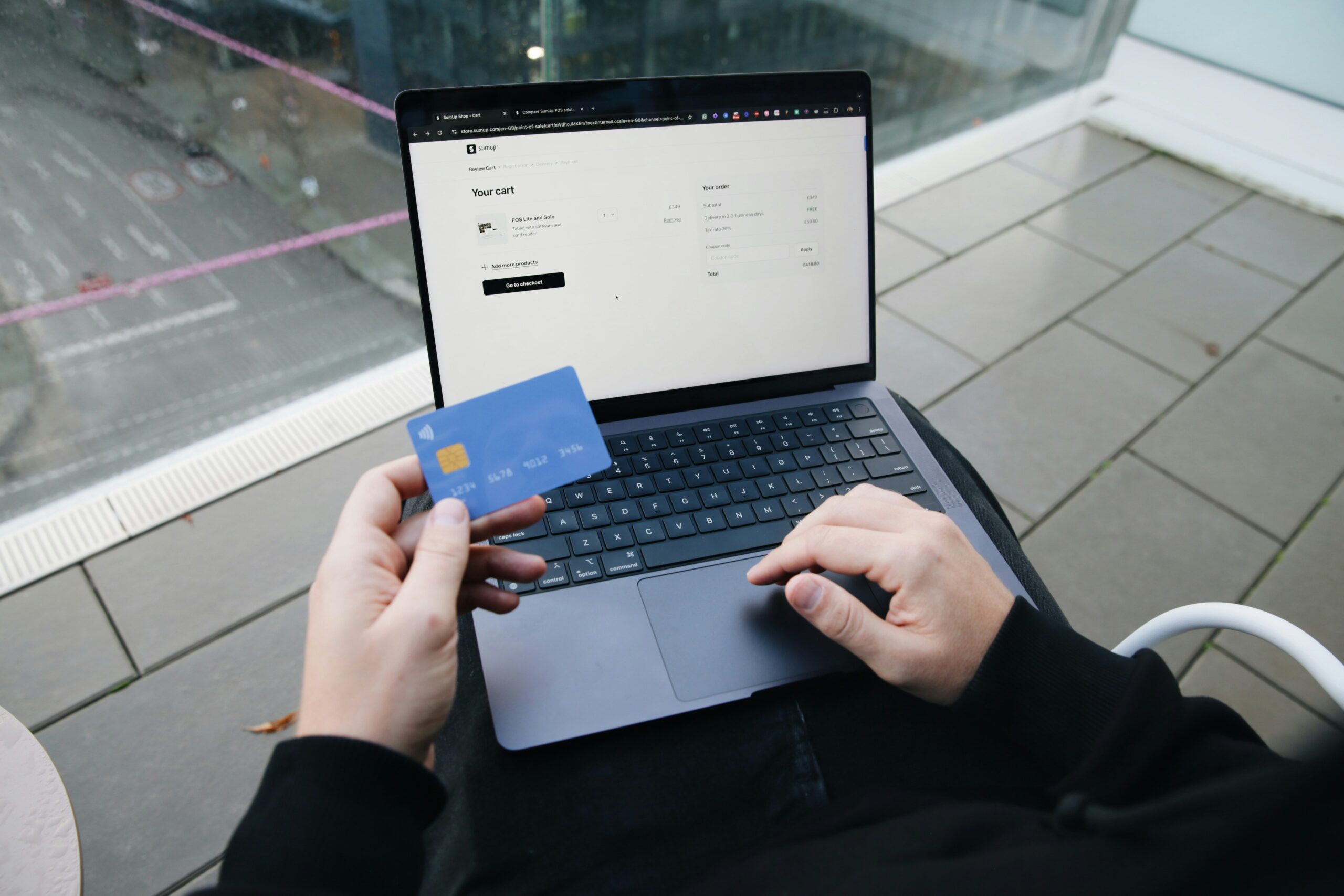
Financial transactions have rapidly evolved from cash to cards and now to digital payments. However, convenience comes with security risks: fraud is increasing, PINs can be forgotten, and passwords can be stolen. The best alternative is biometrics, which provides a simple yet safe means of confirming identification. This essay examines how biometrics is revolutionizing digital payments, making them safer, quicker, and more intimate than ever.
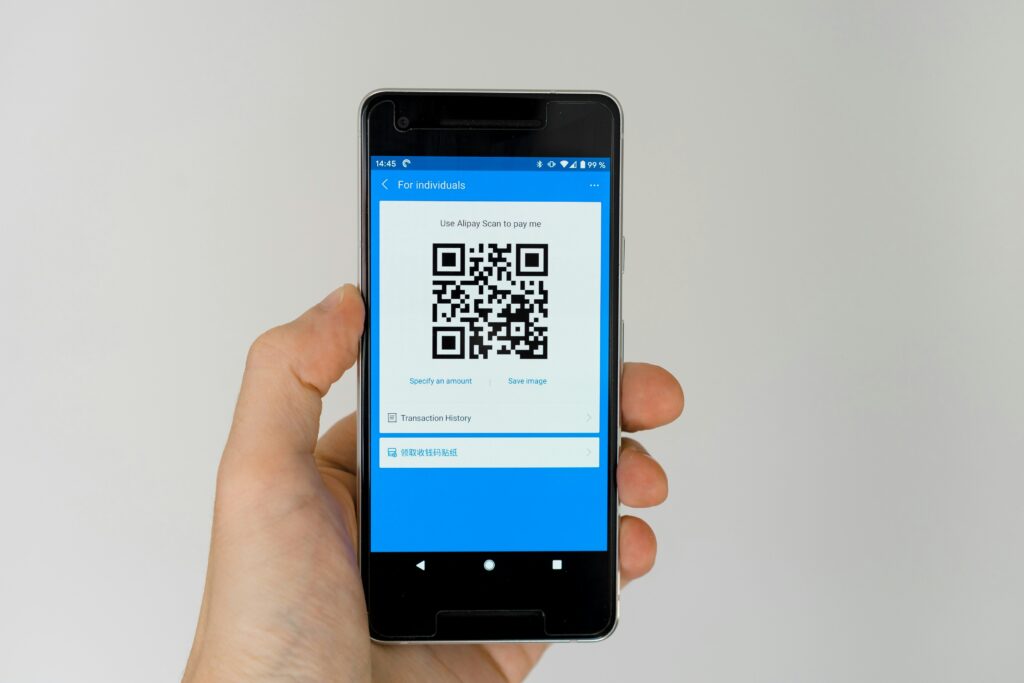
How biometrics works in digital payments
To confirm identification, biometric authentication uses distinctive behavioral or physical traits, such as speech patterns, fingerprints, face recognition, or even heartbeats. It is very hard to duplicate biometric data, in contrast to passwords, which may be shared or compromised. Your identity is quickly verified with a simple touch or scan when you make a payment. These days, this technology is incorporated into banking systems, payment applications, and cell phones, improving the security and usability of transactions.
The convenience factor: Payments at your fingertips
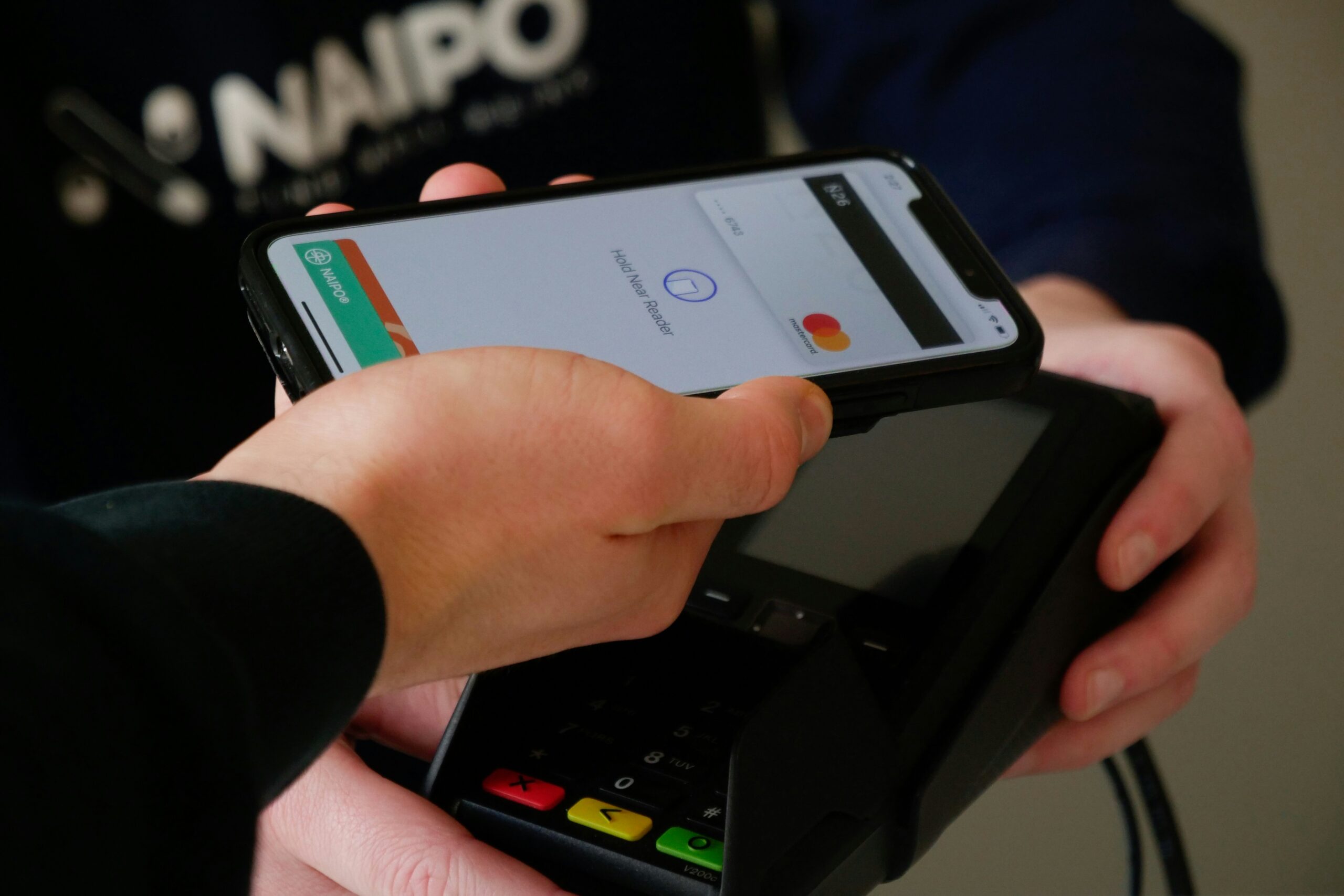
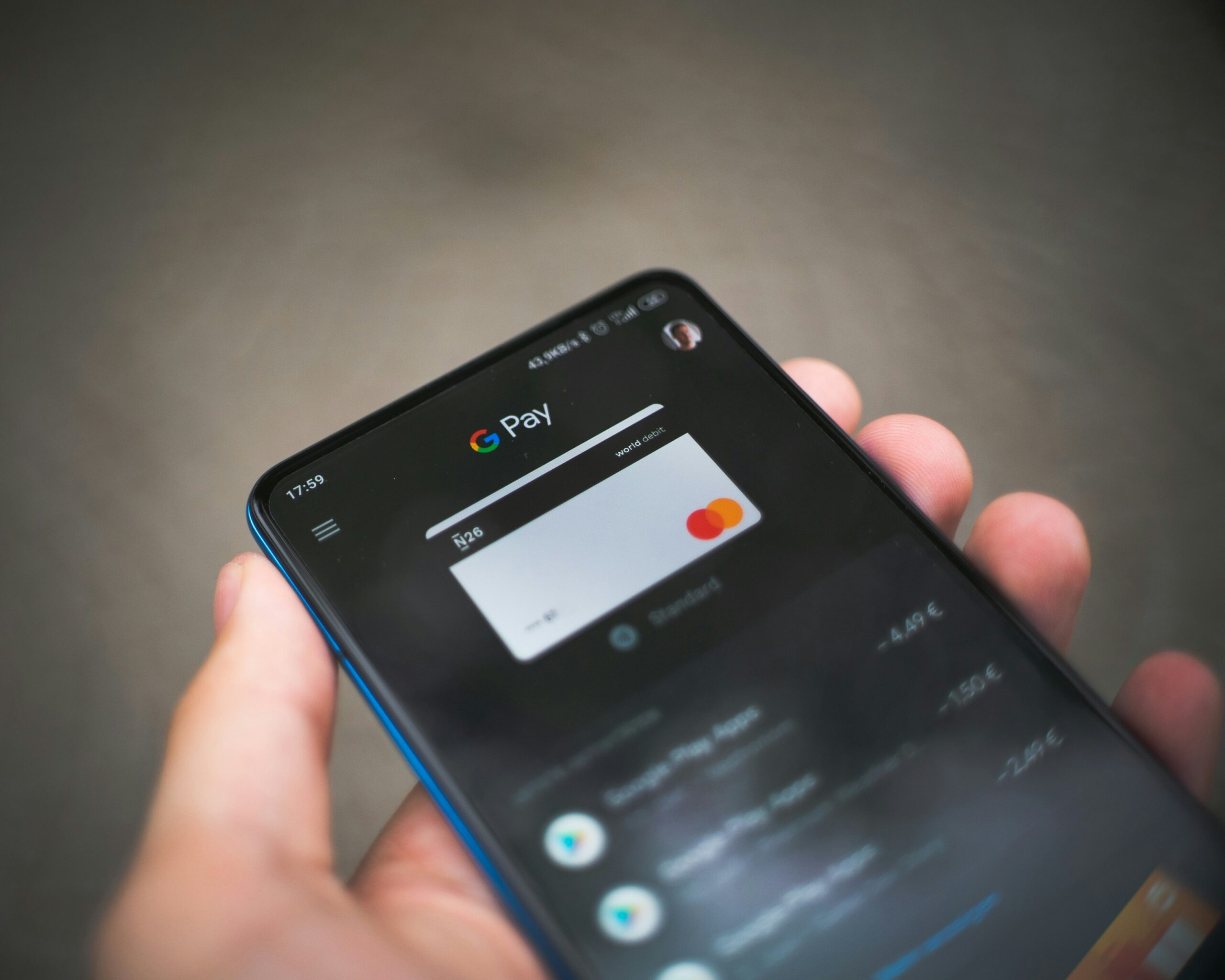
Forget remembering complicated PINs or inputting passwords. By enabling consumers to authenticate payments with a single touch or glance, biometrics removes these inconveniences. Fingerprint and face recognition are already used by Apple Pay and Google Pay, allowing for quick and easy purchases. Your identification becomes your key, eliminating the need to carry wallets or be concerned about cards being stolen. Digital transactions are now more seamless than ever because of biometric payments’ quickness and ease of use.
Enhanced security: Say goodbye to fraud and identity theft
The primary worry with digital payments is security, and biometrics adds a degree of defense. Biometric data greatly lowers the risk of fraud because it is specific to each person. While it’s feasible to guess or leak traditional passwords, it’s very hard to replicate a fingerprint or retinal scan. By using biometric authentication and end-to-end encryption, financial institutions may lower fraud-related losses and provide safer transactions.
Biometrics in mobile payments: The smart revolution
With the integration of fingerprint sensors, face recognition, and even iris scanning for verification, smartphones have emerged as the primary platform for biometric payments. These capabilities are essential for securely authorizing payments using mobile wallets such as Google Pay, Apple Pay, and Samsung Pay. Biometrics is establishing a new benchmark for financial security as more customers use contactless payments and mobile banking, guaranteeing that only the legitimate owner may access their accounts.
Biometrics beyond smartphones: Wearables and future innovations
Smartphones are no longer the only device that can use biometric payments. For contactless transactions, biometric identification is being included in smartwatches, fitness trackers, and even smart rings. Brainwave scanning, heartbeat authentication, and vein identification are examples of potential future advancements. Imagine a world in which your heartbeat authorizes an internet transaction or your wristwatch confirms your identification at the register. Payments are now easier and safer than ever thanks to the countless options.
Privacy concerns: Is biometric data safe
Even if biometrics improve security, privacy issues still exist. Advanced encryption is necessary for storing biometric data to guard against abuse or hacking. Data breaches are a worry since biometric credentials, in contrast to passwords, cannot be altered if they are hacked. Businesses must put strict security procedures in place to guarantee that biometric data is kept secure and never shared without permission. The broad use of biometrics in payments will depend on how well security and privacy protection are balanced as laws tighten.
The impact on banks and businesses
Biometrics are being quickly embraced by banks, fintech firms, and merchants to improve security and expedite transactions. Facial recognition for account access, biometric-enabled banking applications, and fingerprint scanners are becoming standard features in ATMs. Faster transactions and lower fraud risks help businesses increase consumer happiness and confidence. Financial institutions need to keep up with security developments while maintaining smooth customer experiences as biometric payment technologies develop.
The future of biometrics in payments
With AI-driven developments making authentication even more intelligent, biometrics is set to become the gold standard for digital payments. Blockchain systems that use biometrics might improve security even more by doing away with the need for centralized databases. Biometric payments will spread into other areas, such as smart cities and driverless cars, thanks to 5G connection and IoT integration. Transactions will be instantaneous, simple, and completely safe in the future thanks to the strength of human identification.
Final thoughts
Digital payments are being revolutionized by biometrics, which provides a balance between ease, speed, and security. Biometric payments, whether via voice authentication, face recognition, or fingerprints, are quickly taking over as the standard. Despite obstacles like privacy issues, innovation keeps the sector moving forward. Your identification is the most important factor in ensuring safe and easy transactions in the personal payments of the future. Biometrics will help create a future where paying is as easy as being yourself as technology advances.
You may also find these articles helpful