Imagine using only a fingerprint or face scan to access a loan or bank account—no paperwork, no trouble. Digital ID serves as a gateway to financial inclusion for millions of people, offering more than just convenience. This article discusses how Digital ID addresses issues including privacy, accessibility, and security while streamlining banking, enabling underserved populations, preventing fraud, and growing mobile finance.
The problem: Financial exclusion in a digital age
Imagine not having a government-issued ID, which would prevent you from opening a bank account, getting a loan, or even sending money to a loved one. According to the World Bank, this is the situation for about 850 million people globally. The majority of them are found in poor nations where conventional identifying methods are either ineffective, out-of-date, or unavailable.
The most impacted groups include low-income people, women, and rural communities. They are unable to access basic financial services without identification, which keeps them in a vicious circle of poverty and social exclusion.
But why does this problem persist?
- Lack of documentation
Since many people are born without birth documents, obtaining national identification later in life can be challenging.
- Geographic barriers
Some people reside in isolated places with distant government buildings, which makes getting an ID expensive and time-consuming.
- Trust issues
People in certain countries are reluctant to get IDs because they don’t trust government organizations with their personal information.
Banks and other financial organizations cannot confirm an individual’s identity without a valid identification system, which makes it dangerous to offer them financial services.
The solution: How digital id is changing the game
One method to close the gap between the global financial system and those who are financially excluded is through digital identification. With the use of biometric information such as fingerprints, iris scans, or face recognition, it offers a safe and authentic digital identity.
Here’s how Digital ID is transforming financial access:
- Hassle-free banking
Stacks of papers are no longer necessary when opening a bank account thanks to Digital ID. Just an iris scan or fingerprint may be used to confirm someone’s identification, which speeds up and simplifies the procedure. Millions of people have already been able to create bank accounts instantaneously thanks to the Aadhaar system in nations like India.
- Mobile financial inclusion
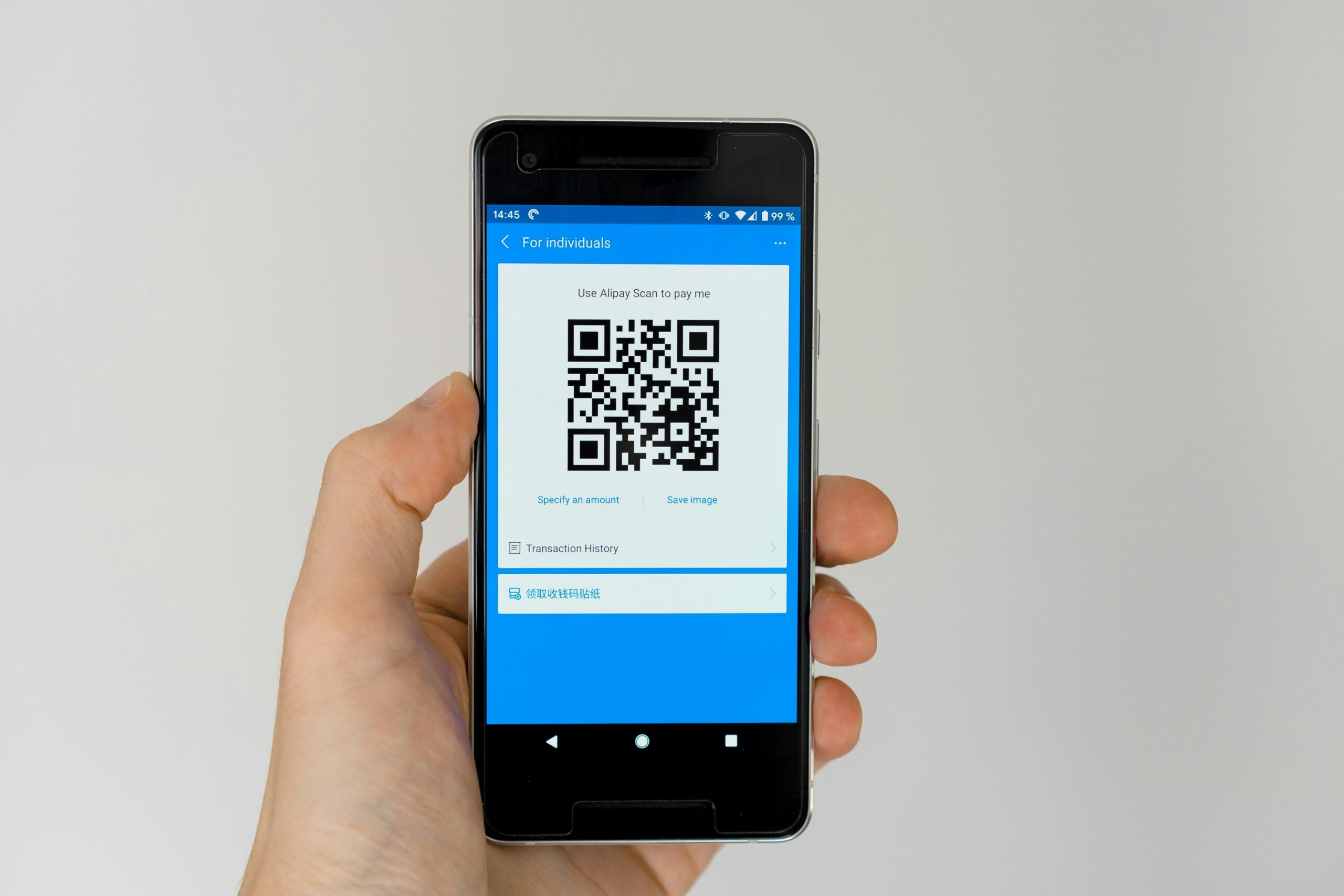
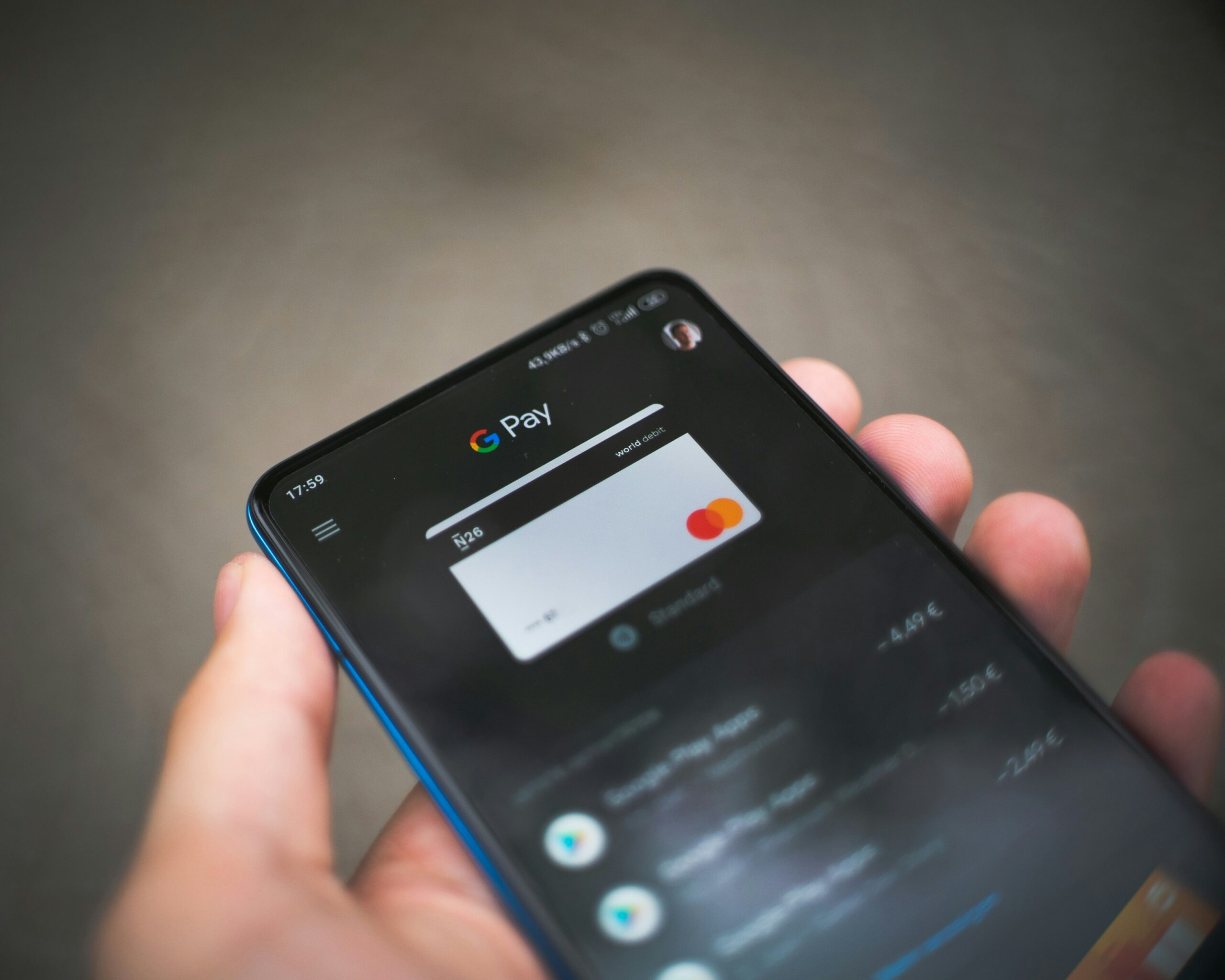
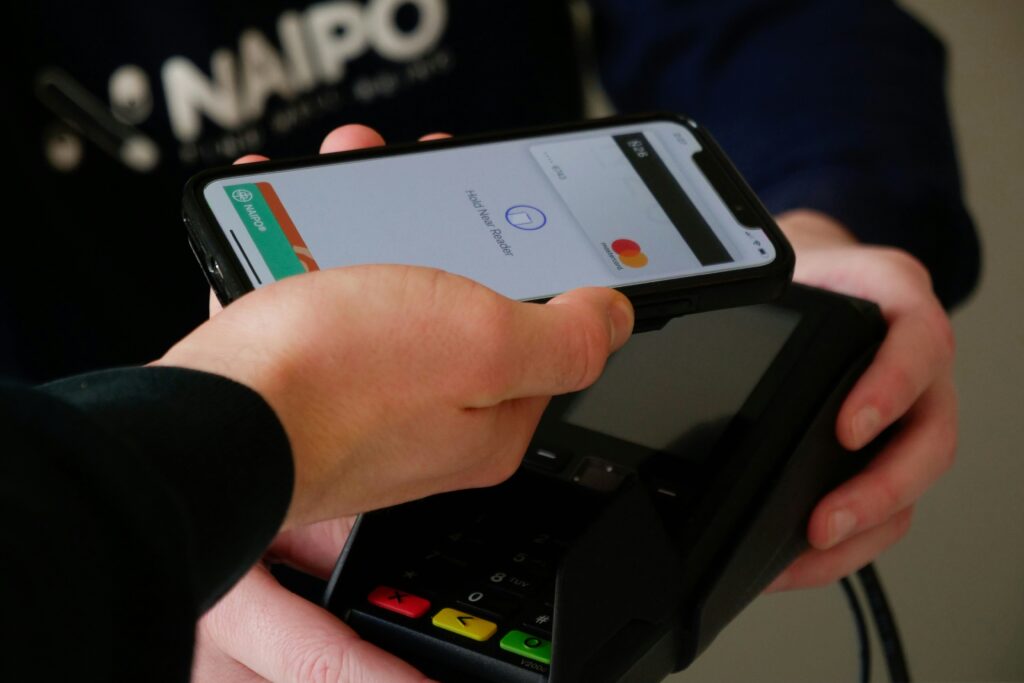
People may not have access to banks in many parts of the world, but they do have mobile phones. Without a real ID card, they may use digital ID to acquire microloans, create mobile wallets, and conduct safe transactions. With M-Pesa, which has revolutionized money transfers, this is already taking place in Kenya.
- Fraud prevention and security
Conventional paper-based identification can be stolen or falsified, which can result in fraud. It is nearly hard to impersonate someone with a digital ID, especially one that uses biometrics. By guaranteeing that only the legitimate owner may use their financial services, this is a game-changer for lowering financial fraud.
- Social and economic empowerment
Digital ID is an effective instrument for achieving independence for women and under-represented groups. They no longer require a male guardian or intermediary to create bank accounts, seek loans, and obtain government benefits. For the first time, millions of women in Bangladesh have been able to access banking services because of digital identity.
The challenges: What’s holding back digital id adoption
Digital ID systems have enormous promise, but they also have problems that need to be fixed:
- Privacy concerns
Some people are concerned about who may access their data and how it is stored. To stop misuse, strict data protection rules are required.
- Technology gaps
The infrastructure required to enable Digital ID systems, such as reliable internet or energy, is sometimes lacking in rural locations.
- Inclusivity issues
Some people (such as manual laborers with worn fingerprints) may have trouble recognizing biometrics, even though they work for the majority. Other options need to be taken into account.
To foster trust, maintain security, and make Digital ID available to everyone, governments, IT firms, and financial institutions must collaborate.
The future: A world where identity is a right, not a privilege
Imagine a society in which there are no bureaucratic barriers and financial services are instantaneously accessible to everyone, everywhere. Everyone may have equal access to the financial resources they require to prosper, whether they are street seller in a busy metropolis, farmers in a distant country, or refugees starting over.
This future is achievable, but it will need a worldwide effort to ensure that everyone has access to digital identification. In addition to providing financial access, a well-implemented digital ID will open the door to a more just and inclusive society.
The question now is not whether digital ID will influence banking in the future, but rather how quickly it can be implemented.
You may also find these articles helpful