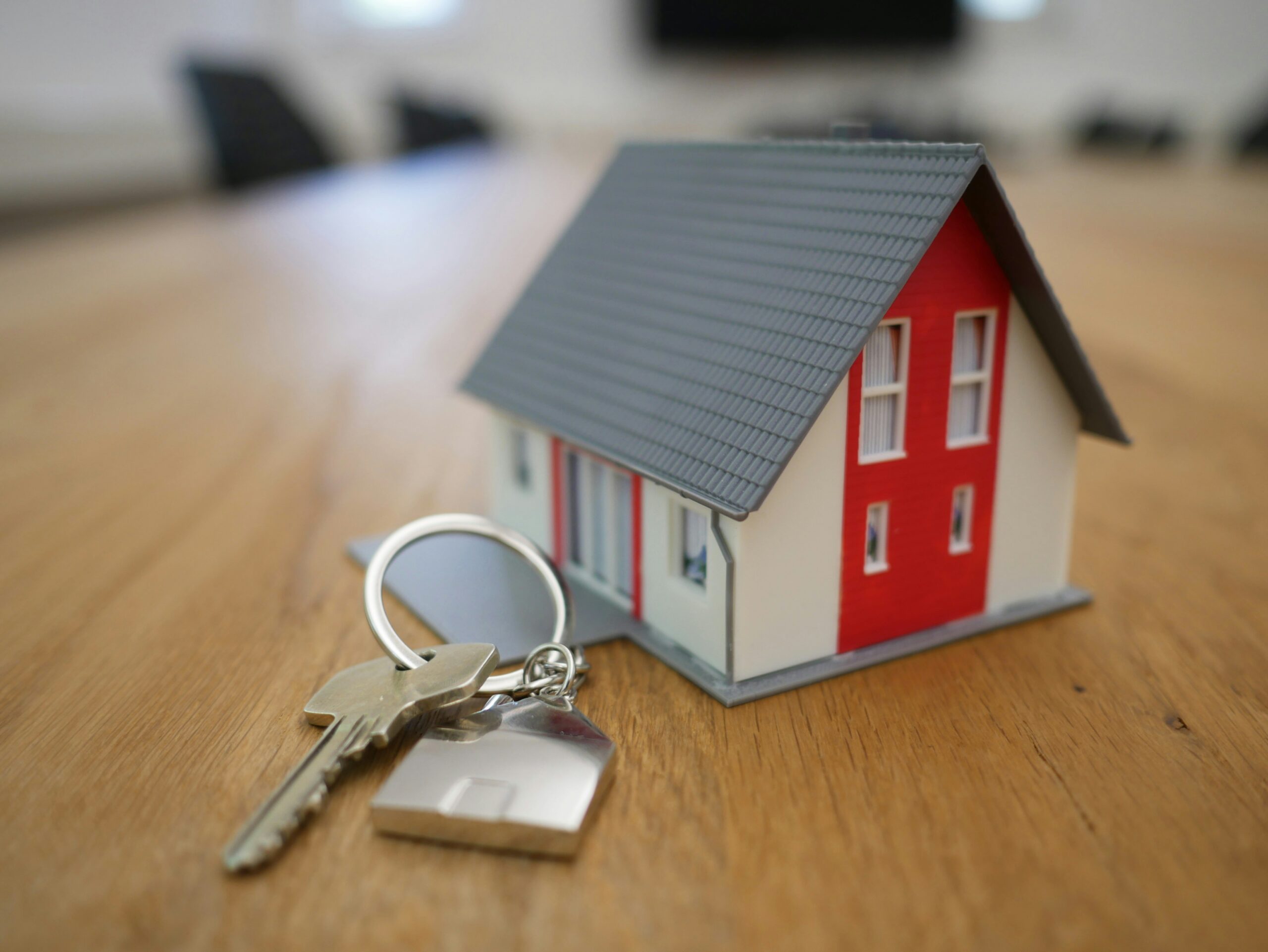
Envision purchasing a home without the burden of many documents, high legal bills, and protracted waiting. It seems too wonderful to be true, doesn’t it? Smart contracts, however, are bringing this to pass. By automating and safeguarding real estate deals like never before, they are transforming the industry.

Real estate transactions have long been hampered by a sluggish, antiquated system that is riddled with middlemen, complicated legal issues, and other inefficiencies. However, smart contracts and blockchain technologies are altering the rules. To put it simply, what are smart contracts, how do they function in the real estate industry, and why should you be interested in them?
What are smart contracts
A self-executing contract with its terms encoded in code is called a smart contract. Because it is decentralized, tamper-proof, and automated, it operates on a blockchain. The contract executes itself after all requirements are satisfied; banks, brokers, or solicitors are not required to supervise every stage.
Consider it similar to a vending machine. There is no need for a cashier; you just input cash, push a button, and receive your food. In the context of real estate, this implies that the smart contract automatically gives the buyer ownership as soon as they fulfill all requirements, such as paying. No delays, no intermediaries, no paperwork.
Smart contracts changing real estate
The following are some ways that smart contracts are transforming real estate.
- Faster transactions
Weeks or even months may pass with traditional real estate purchases. The procedure is excruciatingly tedious, involving title checks, legal documentation, and loan approvals. Red tape is sliced through by smart contracts. Transactions may be finished in a matter of minutes rather than weeks because everything is automated.
- Reduced costs
A percentage is taken by several middlemen in every real estate transaction, including banks, escrow agents, brokers, and attorneys. The majority of these positions are superfluous with smart contracts. For both buyers and sellers, this significantly lowers expenses.
- Enhanced security and transparency
Because smart contracts use blockchain technology, transactions cannot be changed or removed once they are recorded. This guarantees openness and gets rid of fraud. Every stage of the transaction may be tracked in real-time by both buyers and sellers.
- Global accessibility
Have you considered purchasing real estate abroad but been put off by the intricate legal requirements? International real estate transactions are made considerably simpler with smart contracts. Without the need for expensive legal processes, the automated, blockchain-based system guarantees confidence between buyers and sellers globally.
Real-life applications
The following are some actual uses of smart contracts in real estate:
- Property sales and transfers
Imagine using a few clicks to sell your house. Without the need for drawn-out legal procedures, smart contracts enable the rapid transfer of property ownership once certain requirements are satisfied.
- Rental agreements
By automating rental payments, smart contracts can guarantee that landlords are paid on schedule. The agreement may automatically impose fines or even deny the renter access to the property if they don’t pay.
- Tokenized real estate
The tokenization of real estate is another revolutionary development. Multiple investors can purchase a single property by dividing it up into digital tokens. As a result, more individuals may invest in real estate without needing large sums of money.
- Crowdfunding real estate projects
Smart contracts allow developers to raise money and guarantee that investors will automatically get returns according to predetermined parameters. This removes fraud and increases transparency in real estate crowdfunding.
Challenges of smart contracts in real estate
Of course, there are difficulties with every new technology. Here are some challenges that smart contracts must overcome:
- Legal and regulatory issues
The regulations surrounding smart contracts in real estate are still unclear in many nations. Traditional legal structures could still be necessary until rules catch up.
- Smart contract errors
Because smart contracts are code-based, issues may arise from programming flaws or mistakes. Once the contract is launched, it may be challenging to correct any errors that were programmed into it.
- Resistance from industry players
Banks, solicitors, and real estate brokers have a stake in maintaining the status quo. Because they eliminate the need for middlemen, smart contracts may encounter resistance from some.
- Adoption and Awareness
Blockchain and smart contracts are still not completely understood by many buyers and sellers. Education and a mentality change will be necessary for widespread acceptance.
The future of smart contracts in real estate
Notwithstanding the difficulties, smart contracts are opening the door to a real estate market that is more economical, transparent, and efficient. Governments and legal systems will probably create frameworks to facilitate smart contract transactions as blockchain usage increases.
We’ve already made headway. Countries like Sweden and Dubai are investigating blockchain land registries, and some businesses are experimenting with blockchain-based real estate marketplaces. We may anticipate that smart contracts will be a common feature of real estate transactions as technology advances.
Final Thoughts
Smart contracts provide a potent remedy for the real estate sector, which is in dire need of modernization. They improve security, lower expenses, expedite transactions, and remove a lot of conventional obstacles. Even if there are still obstacles to overcome, the possible advantages must exceed the disadvantages.
You may also find these articles helpful